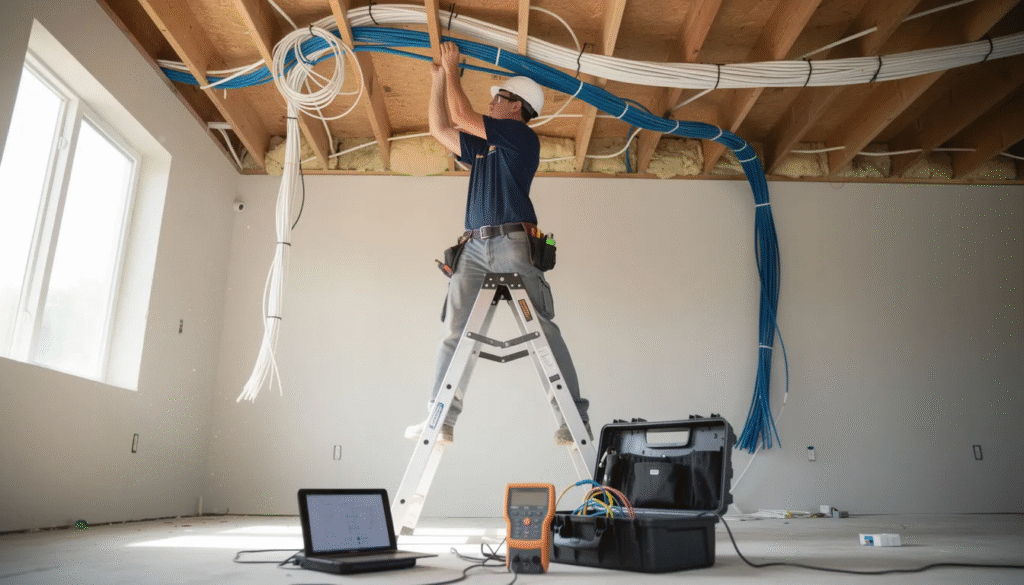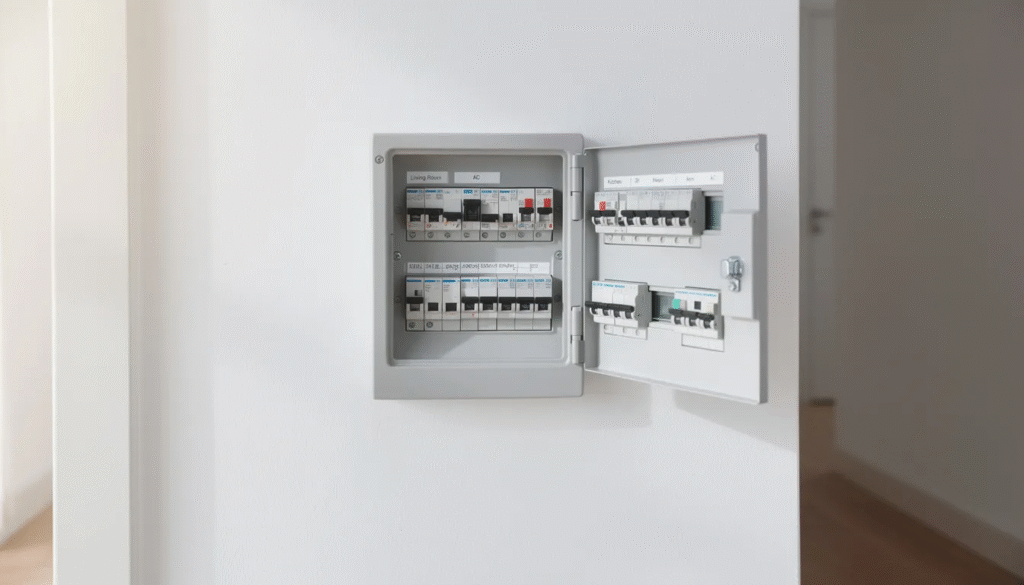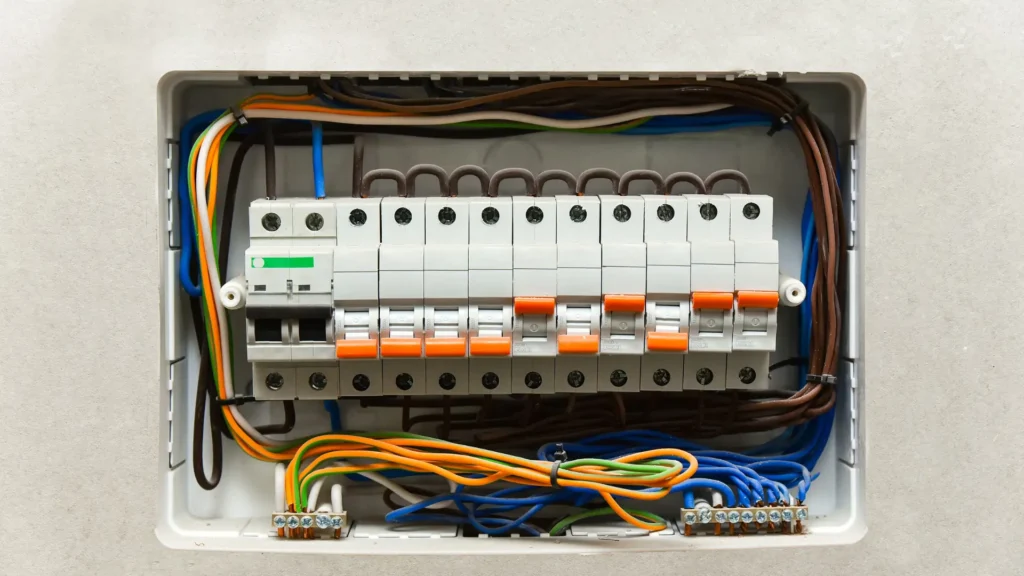


Welcome to your complete guide to understanding the electrician’s hourly rate in Kapiti, a topic that often raises questions for homeowners and businesses alike—especially when you’re trying to budget for repairs, upgrades, or urgent electrical work. Whether you’re dealing with a faulty power point, planning a renovation, or simply want to know what’s considered a fair rate in the Kapiti Coast area, knowing how electrician pricing works can help you avoid surprises and make confident decisions. Electrician rates aren’t just about an hourly figure; they’re influenced by experience, job complexity, travel, compliance requirements, and whether the work is urgent or after-hours. In this guide, we break down realistic local pricing, explain what affects costs, and share practical insights, so you know exactly what to expect when hiring an electrician in Kapiti—without the confusion, hidden fees, or guesswork.
The average electrician’s hourly rate in Kapiti typically ranges between $90 and $140 per hour, depending on the type of work, the electrician’s experience, and whether the job is standard, after-hours, or an emergency. Residential jobs during normal business hours are usually at the lower end of the range, while urgent or specialized electrical work may cost more. Additional fees such as call-out charges or GST may also apply, so it’s always best to confirm pricing upfront.
Table of Contents
Average Electrician Hourly Rate In Kapiti Coast
Understanding the average electrician hourly rate in Kapiti Coast helps homeowners and businesses plan their budgets with confidence before booking electrical work. While prices can vary, knowing the typical local range and how Kapiti compares to nearby areas gives you a realistic expectation and helps you spot fair pricing when requesting quotes.
Typical Hourly Rates In Kapiti
In 2025, the electrician hourly rate in Kapiti generally reflects the cost of licensed, compliant, and professional electrical services in the region. These rates account for experience, safety standards, and the nature of the work being carried out.
- Average hourly range: Most electricians in Kapiti charge between $90 and $140 per hour for standard residential work during normal business hours. Simpler jobs often sit at the lower end of the range, while more technical or specialised tasks fall toward the higher end.
- GST inclusion: Some electricians quote their hourly rate excluding GST, while others include GST in their pricing. This can affect the final bill, so it is important to confirm this detail before work begins.
- Why rates vary: Hourly pricing can change depending on the type of job, how urgent the work is, and the electrician’s level of experience. Fault-finding, compliance work, and older properties often require more time and expertise.
Rather than focusing only on the lowest rate, it is worth considering the overall value provided, including workmanship quality, safety, and reliability.
How Kapiti Compares To Nearby Areas
Electrician pricing in Kapiti is influenced by regional demand, travel time, and proximity to larger urban centres.
- Kapiti vs Wellington: Electricians in Wellington generally charge higher hourly rates due to stronger demand, more commercial work, and higher operating costs. Kapiti rates are typically slightly lower, though this gap can narrow for specialised or urgent jobs.
- Kapiti vs Porirua: Hourly rates in Porirua are often comparable to Kapiti, but pricing can vary depending on location and accessibility. Jobs closer to Wellington may be priced differently than those further along the coast.
- Regional demand and travel: Electricians servicing the wider Kapiti Coast may factor travel time into their rates, particularly for work in outlying areas. This reflects time spent travelling rather than working on-site.
A Note On Pricing Accuracy And Expectations
The electrician hourly rates outlined here are intended as a local pricing guide, not a fixed guarantee. Actual costs can vary based on job complexity, timing, and individual electrician pricing structures. For accurate pricing, a detailed quote or site assessment is always recommended.
Having a clear understanding of typical electrician hourly rates in Kapiti allows you to compare quotes with confidence and make informed decisions when hiring a qualified local electrician.
What Factors Affect An Electrician’s Hourly Rate In Kapiti?
Electrician hourly rates in Kapiti can vary widely, and that difference is not random or arbitrary. Pricing is shaped by the nature of the work, the electrician’s level of qualification, logistical considerations, and how urgently the service is needed. Understanding these factors helps set realistic expectations and explains why two jobs that seem similar on the surface may be priced very differently.
Type of Electrical Work
The kind of electrical work being carried out is one of the biggest influences on hourly rates. Not all electrical tasks involve the same level of risk, skill, or responsibility, which is reflected in pricing.
- Residential vs commercial:
Residential work, such as fixing power points or installing light fittings in homes, is generally more straightforward and often priced lower. Commercial electrical work usually involves larger systems, stricter compliance standards, and higher safety risks, which can increase hourly rates. - Repairs vs installations:
Repair work often involves fault-finding, which can be unpredictable and time-consuming. Installations, on the other hand, are usually planned and clearly scoped. Because troubleshooting requires experience and problem-solving, electricians may charge higher rates for repairs compared to standard installations. - Compliance and safety work:
Work that involves electrical safety inspections, switchboard upgrades, or compliance certifications carries legal responsibility. Electricians are accountable for ensuring the work meets New Zealand regulations, which adds to the cost due to the expertise and liability involved.
Experience and Qualifications
An electrician’s training and professional standing play a major role in how much they charge per hour.
- Apprentice vs registered electrician:
Apprentices typically work under supervision and may be charged at a lower rate. Registered electricians, however, have completed formal training and are legally allowed to sign off on electrical work, which justifies a higher hourly rate. - Master Electricians and EWRB registration:
Electricians registered with the Electrical Workers Registration Board (EWRB) meet national licensing requirements in New Zealand. Those who are part of recognised organisations such as Master Electricians often bring additional experience, ongoing training, and higher accountability, which is reflected in their pricing.
Call-Out Fees and Travel Time
Beyond hourly labour, logistics also influence the final cost of electrical work in Kapiti.
- Local Kapiti travel vs remote jobs:
Electricians working locally within Kapiti may charge lower travel fees compared to jobs in more remote areas. Longer travel times mean more time away from other jobs, which is often factored into the rate. - First-hour minimum charges:
Many electricians apply a minimum charge for the first hour. This covers travel, setup, and administrative time, ensuring the job remains viable even if the task itself is relatively small.
Time of Day and Urgency
When the work is needed can significantly affect the hourly rate.
- After-hours work:
Electrical jobs carried out outside normal business hours usually cost more. This compensates electricians for working evenings or nights and rearranging their schedules. - Emergency call-outs:
Urgent situations such as power outages or electrical hazards require immediate attention. Emergency call-outs often come with higher rates due to the need for rapid response and potential disruption to other planned work. - Weekend or public holiday work:
Jobs scheduled on weekends or public holidays typically attract premium rates, reflecting limited availability and the impact on personal time.
Understanding these pricing factors helps explain why electrician hourly rates in Kapiti are structured the way they are. When you know what goes into the cost, it becomes easier to assess quotes, plan your budget, and choose the right electrician for your needs.
Common Electrical Jobs And Typical Costs In Kapiti
Understanding the typical cost of common electrical jobs can help Kapiti homeowners and business owners plan their budgets with confidence. While electrician hourly rates provide a baseline, the final price often depends on the type of work, time required, and complexity involved. Below is a practical breakdown of common electrical jobs in Kapiti, including realistic timeframes and cost expectations, based on how local electricians usually price their services.
Small Jobs (1–2 Hours)
Small electrical jobs are usually straightforward, quick to complete, and commonly charged at an hourly rate. These tasks are ideal examples of where understanding the electrician hourly rate in Kapiti is most useful.
- Power Point Installation:
Installing a new power point or replacing an existing one is a common request in Kapiti homes, especially in older properties. The cost can vary depending on whether new wiring is required or if it’s a simple replacement using existing wiring. - Light Fittings:
Replacing light fittings, installing pendant lights, or upgrading to LED fixtures usually falls into this category. Costs may increase slightly if ceiling access is difficult or if multiple fittings are installed during the same visit. - Switch Repairs:
Faulty or worn light switches can pose safety risks if left unchecked. Switch repairs or replacements are generally quick jobs, but pricing may increase if underlying wiring issues are discovered.
Medium Jobs (Half-Day)
Medium-sized electrical jobs often take several hours and may involve planning, testing, and compliance checks. These jobs are commonly quoted as a half-day rate or estimated based on time and materials.
- Switchboard Upgrades:
Upgrading an outdated switchboard is a critical safety improvement, especially in older Kapiti homes. This work ensures compliance with current electrical standards and can help protect against electrical faults and overloads. - Heat Pump Wiring:
Wiring a heat pump requires dedicated circuits and proper load calculations. The cost depends on distance from the switchboard, wall access, and whether upgrades are needed to support the additional electrical demand. - Kitchen Or Bathroom Upgrades:
Electrical work during kitchen or bathroom renovations often includes new power points, lighting, extractor fans, and appliance connections. These spaces require strict safety compliance, which can influence the overall cost.
Larger Projects
Larger electrical projects are usually quoted as fixed-price jobs after a detailed site inspection. These projects involve more labour, materials, and coordination, making accurate pricing essential.
- Full Home Rewiring:
Full rewiring is common in older Kapiti properties that no longer meet modern electrical standards. This project can take several days and involves replacing outdated wiring, upgrading safety components, and testing the entire system. - Renovations:
Major renovations often require extensive electrical planning, including new circuits, lighting layouts, and compliance checks. Costs vary based on property size, design complexity, and the number of electrical features included. - Commercial Fit-Outs:
Commercial electrical work, such as office or retail fit-outs, typically involves higher complexity, stricter compliance requirements, and longer timelines. Pricing reflects the scale of the project and the need for specialised expertise.
Typical Job Costs At A Glance
| Job Type | Estimated Time | Typical Cost Range |
| Power point installation | 1–2 hours | $120–$250 |
| Light fitting installation | 1–2 hours | $100–$220 |
| Switch repairs | 1 hour | $90–$150 |
| Switchboard upgrade | Half day | $1,200–$2,500 |
| Heat pump wiring | Half day | $600–$1,200 |
| Kitchen or bathroom upgrade | Half day to full day | $800–$2,000 |
| Full home rewiring | Several days | $6,000–$15,000+ |
| Commercial fit-out | Project-based | Varies by scope |
It’s important to note that these figures are general estimates. In Kapiti, site inspections often provide the most accurate pricing, as they allow electricians to assess access, existing wiring, compliance requirements, and any potential complications before work begins.

Hourly Rate Vs Fixed Price: What’s Better For Kapiti Homeowners?
Choosing between an hourly rate and a fixed price is one of the most common questions Kapiti homeowners face when hiring an electrician. Both pricing models are widely used across the Kapiti Coast, and neither is automatically better than the other. The right option depends on the type of electrical work you need, how clearly defined the job is, and how much certainty you want around the final cost. Understanding the strengths and limitations of each approach helps you avoid frustration, unexpected charges, and misaligned expectations.
When Hourly Rates Make Sense
Hourly rates are often the most practical and fair option when the scope of work is unclear or likely to change once the electrician starts the job. In these situations, paying for time and expertise rather than a fixed outcome can actually save money and reduce disputes.
- Troubleshooting: Electrical faults can be unpredictable, particularly in older Kapiti homes. Problems such as power outages, tripping circuits, or hidden wiring issues often require investigation before a clear fix is identified. An hourly rate allows the electrician to diagnose the issue properly without inflating the price to cover unknown risks.
- Small Or Uncertain Scope Jobs: Jobs like replacing a power point, fixing a faulty switch, or checking existing wiring are usually quick but can vary in complexity. Charging hourly means you only pay for the actual time spent on the task, rather than a fixed quote that may be padded to account for worst-case scenarios.
The main advantage of hourly pricing is flexibility and transparency. The trade-off is that the total cost is not always known upfront, which is why it’s helpful to ask for time estimates and progress updates.
When Fixed Quotes Are Better
Fixed-price quotes are best suited for work that is clearly defined and easy to scope in advance. This pricing model provides cost certainty, which many Kapiti homeowners prefer when planning larger electrical projects.
- Renovations: Electrical work during home renovations is usually planned well ahead of time. With clear requirements for lighting, power points, switchboards, and compliance, a fixed quote allows you to budget accurately and coordinate smoothly with other trades.
- New Installations: Projects such as installing new lighting, wiring a heat pump, or adding circuits are predictable and repeatable. Electricians can confidently price these jobs based on experience, making fixed pricing both fair and reliable.
- Clearly Defined Projects: When the job details are unlikely to change and site access is straightforward, a fixed price removes uncertainty. You know the total cost before work begins, regardless of how long the job takes to complete.
The biggest benefit of fixed pricing is peace of mind. While the quote may be slightly higher to account for unforeseen issues, many homeowners find the certainty well worth it.
Honest Comparison for Kapiti Homeowners
Neither hourly rates nor fixed quotes are designed to benefit only the electrician. Hourly rates work best for small or investigative jobs where flexibility matters, while fixed quotes are ideal for planned projects where clarity and budget control are important. A reputable electrician will explain both options clearly and recommend the most suitable approach for your situation, rather than pushing one pricing model over the other.
For Kapiti homeowners, choosing between an hourly rate and a fixed price comes down to understanding the job and setting clear expectations from the start. When you know how each pricing model works, it becomes much easier to hire an electrician with confidence and avoid unnecessary surprises.
Are Cheaper Electricians Worth It? What To Watch Out For
When comparing electrician hourly rates in Kapiti, it’s completely understandable to feel tempted by a cheaper quote, especially if the job seems small or straightforward. However, electrical work is one area where price alone should never be the deciding factor. Taking a calm, informed approach helps you avoid unnecessary risks while still getting fair value for your money.
Risks Of Going Too Cheap
Choosing an electrician based purely on the lowest hourly rate can sometimes result in problems that outweigh the initial savings. Here are some of the most common risks to be aware of.
- Non-compliant work:
Electrical work in New Zealand must meet strict safety and compliance standards. Cheaper electricians may rush jobs, use substandard materials, or skip required testing. This can result in work that fails inspections, causes ongoing electrical issues, or needs to be redone at additional cost. - No certification:
Registered electricians are required to provide proper certification for completed work. Without this documentation, you have no proof that the work was carried out legally. This can cause problems when selling your property, making insurance claims, or arranging future electrical upgrades. - Safety and insurance risks:
Poor-quality electrical work increases the risk of electrical faults, shocks, or fire hazards. If an incident occurs and the work was done by an unqualified or uninsured electrician, your insurance provider may refuse to cover the damage, leaving you responsible for costly repairs.
Red Flags To Look For
Beyond pricing, there are clear warning signs that can help you identify electricians who may not be operating professionally or legally.
- No written quote:
A reputable electrician will usually provide a written quote or estimate that clearly explains labour costs, call-out fees, and any potential extras. Refusing to put pricing in writing can lead to disputes or unexpected charges later. - Cash-only requests:
While paying cash is not always an issue, insisting on cash-only payments can be a sign of poor transparency. Professional electricians typically offer invoices and standard payment options, which help protect both parties. - No EWRB registration:
All electricians working in Kapiti must be registered with the Electrical Workers Registration Board. If an electrician cannot show proof of registration, this is a strong indication that you should not proceed, regardless of how cheap their hourly rate may seem.
In the long run, hiring an electrician is about more than saving money upfront. By understanding the risks of choosing the cheapest option and knowing what red flags to watch for, you can make a confident decision that prioritises safety, compliance, and lasting quality.
How To Get An Accurate Quote From An Electrician In Kapiti
Getting an accurate quote from an electrician in Kapiti is one of the most effective ways to avoid unexpected costs and ensure you are paying a fair price for the work being done. While hourly rates provide a general pricing guide, a clear quote helps set expectations around labour, potential additional fees, and the overall scope of the job before any work begins.
What To Ask Before Hiring
Before booking an electrician, asking a few key questions can help you understand exactly how pricing works and prevent misunderstandings later on.
- Is GST Included: Always check whether the quoted hourly rate or total estimate includes GST. Some electricians quote excluding GST, which can increase the final invoice if it is not clarified upfront.
- Is There A Call-Out Fee: Many electricians charge a call-out fee to cover travel time and the first portion of labour. Ask how much the fee is, what it includes, and whether it applies to your specific job.
- Are You Registered And Insured: Confirm that the electrician is registered with the Electrical Workers Registration Board and holds current insurance. This protects you legally and financially if anything goes wrong during or after the work.
How To Prepare Before The Visit
Proper preparation before the electrician arrives can save time and help ensure the quote or final cost is as accurate as possible.
- Clear Description Of The Problem: Provide a detailed explanation of the issue or work required, including when the problem started and any previous repairs or changes that may be relevant.
- Photos If Possible: Sending photos or videos of the issue in advance can help the electrician assess the job more accurately and prepare the right tools or materials.
- Access Considerations: Ensure the electrician has easy access to the work area by clearing obstacles, unlocking gates, and arranging access to roof spaces or switchboards if needed.
By taking these steps, you improve the chances of receiving a clear and accurate quote from an electrician in Kapiti. This approach helps build trust, reduces the risk of surprise charges, and makes the entire process more efficient and stress-free for both you and the electrician.
Do Electricians Charge More For Emergency Or After-Hours Work In Kapiti?
Electricians in Kapiti do charge higher rates for emergency or after-hours work, and this is standard across the electrical industry. These higher rates reflect the urgency of the situation, the need for immediate availability, and the additional responsibility that comes with working outside normal business hours. Knowing how after-hours pricing works can help you decide when it is necessary to call an electrician right away and when it may be better to wait.
Typical After-Hours Premium
After-hours electrical work usually includes evenings, weekends, overnight jobs, and public holidays. Because electricians must make themselves available outside their regular schedules, these jobs are charged at a premium.
- Higher hourly rates: After-hours electrician rates in Kapiti are often 1.5 to 2 times higher than standard business-hour rates
- Minimum call-out charges: Many electricians apply a minimum charge for emergency visits, even if the job is completed quickly
- Additional call-out fees: Travel and immediate response costs may be added on top of the hourly rate
These premiums account for inconvenience, standby availability, and the need to respond at short notice.
Emergency Safety Rationale
Emergency electrical pricing is closely tied to safety and risk, not just convenience. Electrical faults can escalate quickly if they are not handled by a qualified professional.
- Increased safety risks: Issues such as sparking outlets, burning smells, exposed wiring, or power outages can pose fire and electrocution hazards
- Urgent response requirements: Electricians may need to interrupt other work or respond immediately to prevent injury or property damage
- Strict compliance standards: All emergency electrical work must still meet New Zealand safety and compliance regulations, regardless of the time it is performed
In many cases, the higher emergency rate reflects the importance of fast, skilled intervention to protect people and property.
When It’s Worth Paying Extra
There are situations where paying for after-hours or emergency electrical services is not only justified but recommended.
- Electrical issues affecting safety: Any fault that puts occupants at risk should be addressed immediately
- Business-critical power loss: Commercial properties that rely on electricity for operations may need urgent repairs
- Preventing further damage: Quick action can stop a small electrical problem from turning into a much larger and more expensive issue
For non-urgent tasks such as upgrades or routine maintenance, booking an electrician during normal business hours is usually the most cost-effective option.
How To Save Money On Electrical Work (Without Cutting Corners)
Electrical work is one of those areas where saving money should never mean compromising on safety or quality. The good news is that there are practical, responsible ways to reduce your overall electrical costs while still hiring qualified professionals and ensuring all work meets New Zealand safety standards. A smart approach to planning and communication can make a noticeable difference to your final bill.
- Combine multiple jobs into one visit:
One of the simplest ways to save money on electrical work is to group several small tasks into a single appointment. Electricians often charge a minimum call-out fee or first-hour rate, so having multiple jobs completed at once allows you to get more value from that initial cost. For example, if you need new power points installed, lights replaced, and a faulty switch checked, doing them together is usually more cost-effective than booking separate visits. - Schedule during normal business hours:
Whenever possible, book electrical work during standard weekday business hours. After-hours, weekend, and emergency call-outs typically come with higher hourly rates due to urgency and availability. Planning ahead for non-urgent work can help you avoid premium charges while still getting the job done professionally and on your schedule. - Use licensed professionals from the start:
Hiring a registered and experienced electrician may seem more expensive upfront, but it often saves money in the long run. Licensed electricians complete work correctly the first time, reducing the risk of faults, rework, or compliance issues. Poor-quality or unlicensed work can lead to costly repairs, safety hazards, or insurance problems later on, which far outweigh any initial savings. - Ask about maintenance checks:
Many electricians offer routine maintenance checks that help identify minor issues before they turn into major repairs. Catching problems early, such as aging wiring or loose connections, can prevent breakdowns and emergency call-outs. Asking about preventative maintenance is a proactive way to protect both your electrical system and your budget.
Taking a thoughtful approach to electrical work not only helps you manage costs but also ensures your home or business remains safe and compliant. By planning ahead, working with qualified professionals, and making informed decisions, you can save money with confidence and avoid unnecessary stress down the line.
Looking for a reliable electrician in Kapiti who offers clear pricing, quality workmanship, and no nasty surprises? Don’t leave your electrical work to chance. Visit our website to learn more, request a transparent quote, and speak with experienced local electricians who put safety, compliance, and customer satisfaction first. Get peace of mind today by booking with professionals you can trust.
References
- Forrest Electrical Pricing (Kapiti Coast Local Example)
https://www.forrestelectrical.co.nz/pricing Forrest Electrical – Kapiti Electrician - Electrician Hourly Rate NZ | Compare Charge Out Rates
https://www.grammarelectrical.co.nz/electrician-cost-per-hour-2025 grammarelectrical.co.nz - Electrician Costs and Pricing Details in NZ
https://www.electriciannow.co.nz/costs-pricing Electrician Now - Electrician Salary in New Zealand 2025 (Hourly Pay Data)
https://www.jobted.co.nz/salary/electrician jobted.co.nz
FAQs: About Electrician Hourly Rate In Kapiti
What is the average electrician hourly rate in Kapiti?
The average electrician hourly rate in Kapiti usually ranges from $90 to $140 per hour. The final cost depends on the type of work, the electrician’s experience, and whether the job is standard or urgent.
Do electricians in Kapiti charge a call-out fee?
Yes, many electricians in Kapiti charge a call-out fee, especially for smaller jobs. This fee often covers travel time and the first portion of labour, so it’s important to ask upfront.
Is GST included in electrician hourly rates in Kapiti?
Not always. Some electricians quote prices excluding GST, while others include it in their hourly rate. Always confirm whether GST is included to avoid unexpected costs.
Are after-hours or emergency electrician rates higher in Kapiti?
Yes, after-hours, weekend, and emergency electrical work typically costs more. These rates reflect the urgency of the job and the availability of the electrician outside normal business hours.
Why do electrician hourly rates vary so much in Kapiti?
Rates vary due to factors such as job complexity, qualifications, experience, travel distance, and whether specialised equipment or compliance work is required.
Is it cheaper to hire an electrician on an hourly rate or a fixed price?
Hourly rates are often better for small or uncertain jobs, while fixed-price quotes can be more cost-effective for larger, clearly defined projects like renovations or installations.
How can I avoid overpaying for electrical work in Kapiti?
You can avoid overpaying by requesting a detailed quote, asking about call-out fees and GST, combining multiple jobs into one visit, and hiring a licensed electrician from the start.
Should I choose the cheapest electrician in Kapiti?
Not always. Choosing the cheapest electrician can lead to poor workmanship, safety risks, or non-compliant work. It’s better to focus on experience, licensing, and transparency.
Do all electricians in Kapiti need to be licensed?
Yes, electricians in Kapiti must be registered with the Electrical Workers Registration Board (EWRB) to legally carry out electrical work in New Zealand.
Can I get a free quote from an electrician in Kapiti?
Many electricians offer free quotes for larger or well-defined jobs, but some may charge for site visits or assessments. It’s best to ask before booking.
Conclusion
When hiring an electrician in Kapiti, the most important thing to expect is transparency, professionalism, and a clear understanding of what you are paying for, rather than simply focusing on the lowest hourly rate. Electrical pricing in the Kapiti Coast is shaped by factors such as the scope of work, the electrician’s experience, compliance requirements, and whether the job is routine or urgent, so realistic expectations will help you feel confident rather than uncertain when reviewing a quote. A qualified electrician prioritises safety and adherence to New Zealand electrical standards, ensuring that the work not only functions properly but also protects your home, business, and insurance coverage in the long term. Taking the time to ask questions, confirm licensing, and understand what is included in the price allows you to make informed decisions and avoid costly mistakes down the line. If you are planning electrical work, getting a clear quote upfront makes all the difference, as it sets expectations early and helps you choose value, reliability, and peace of mind over price alone.