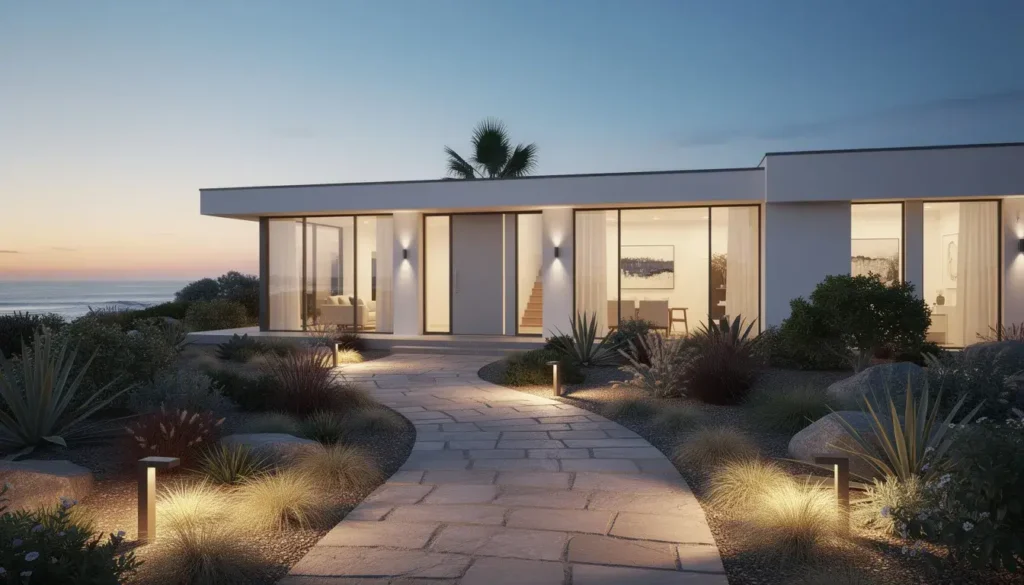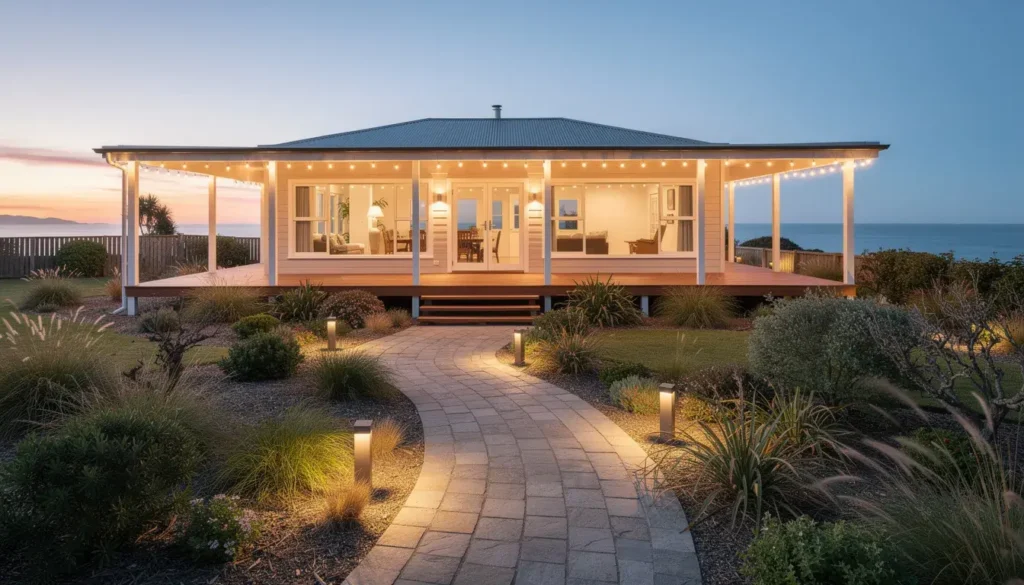


Welcome to your complete, no-nonsense guide to understanding the cost to wire a new home in Kapiti, where we break down what you can realistically expect to pay, what influences pricing, and how to avoid costly surprises during your build. If you’re planning a new home on the Kapiti Coast, electrical wiring is one of those essential components that often gets underestimated until the quotes arrive, and costs can vary significantly depending on your home’s size, layout, level of finish, and future-proofing needs. From power points and lighting to switchboards, data cabling, and compliance with New Zealand electrical standards, wiring a new home involves far more than just running cables through walls, especially in a coastal environment like Kapiti where durability and proper installation matter. This guide is designed to give you clear, locally relevant insights in plain language so you can plan confidently, budget accurately, and make informed decisions before your build reaches the electrical stage.
The cost to wire a new home in Kapiti typically ranges from $8,000 to $20,000+, depending on the size of the house, the number of power points and lights, the type of electrical fittings, and whether features like smart home systems, EV chargers, or data cabling are included. Smaller homes with standard electrical layouts sit at the lower end of the range, while larger or custom builds with higher specifications cost more.
Table of Contents
What Does “Wiring a New Home” Actually Include?
When people talk about the cost to wire a new home in Kapiti, they are often referring to several different stages of electrical work combined into one price. For homeowners who are not familiar with the building process, this can be confusing, as electrical wiring is not a single task but a series of steps carried out at different points during construction. Understanding what is included helps you read quotes accurately, compare electricians fairly, and avoid unexpected costs later on.
Full Electrical Rough-In vs Fit-Off
Electrical wiring in a new home is usually completed in two main stages, known as the rough-in and the fit-off. These stages happen at different times during the build and cover very different types of work.
- Electrical Rough-In:
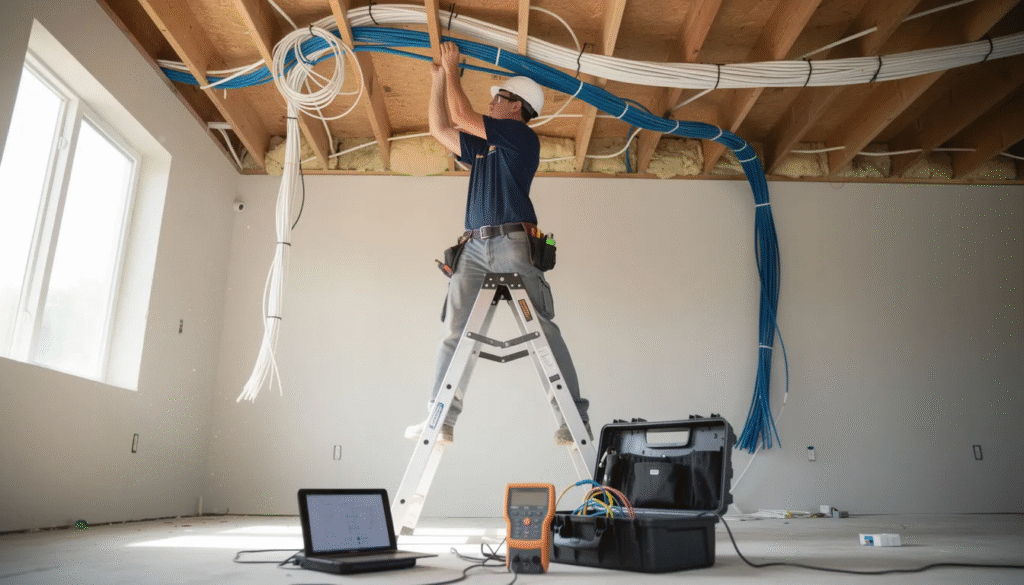
This is the first major stage of wiring and takes place before the walls are lined with plasterboard. During the rough-in, the electrician runs all the cables through the framing of the house and positions the wiring for future fixtures and outlets. This stage sets the foundation for the entire electrical system and is critical to get right, as changes later can be costly. - Electrical Fit-Off:
The fit-off happens toward the end of the build, once walls, ceilings, and finishes are in place. This is when visible components are installed and the system is brought to life. The fit-off is what most homeowners notice, as it includes switches, power points, and lighting being installed and tested.
Switchboard and Mains Connection
Every new home requires a central switchboard and a proper connection to the mains power supply. This is a core part of the wiring cost and is essential for safety and functionality.
- Switchboard Installation:
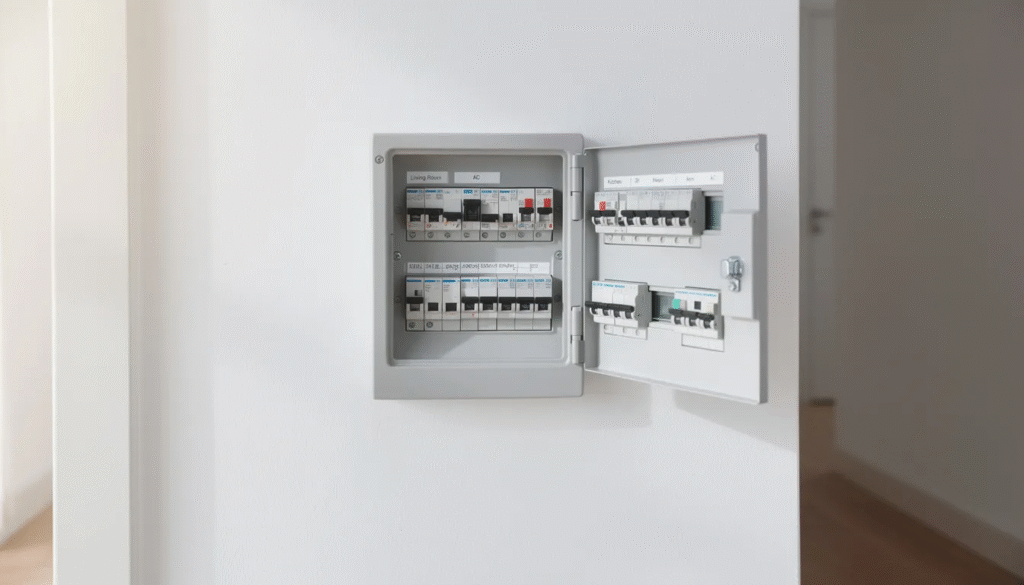
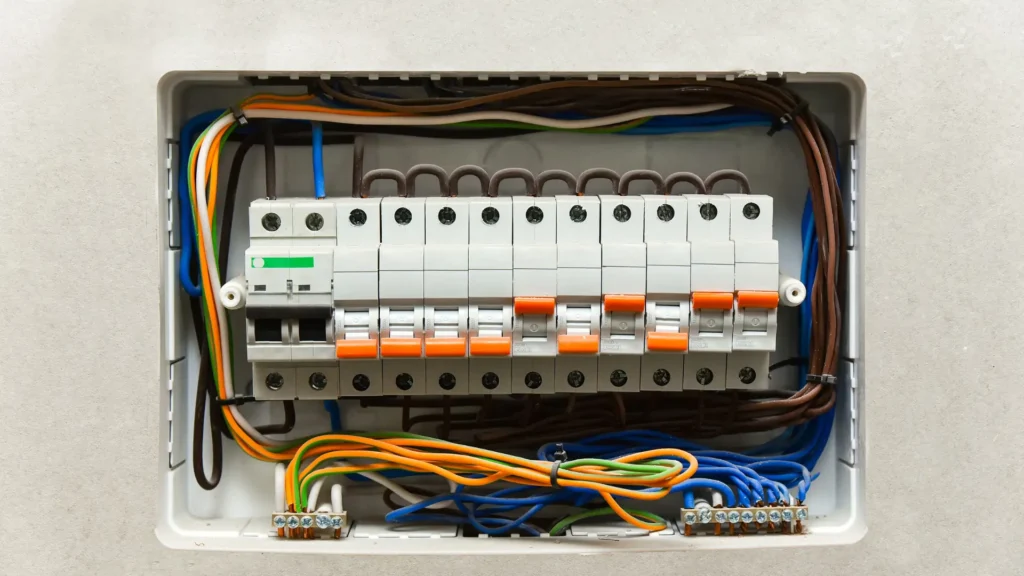
The switchboard distributes electricity throughout the home and includes safety devices such as circuit breakers and residual current devices. In a new build, the switchboard is designed to handle modern power demands, including appliances, heating, and future upgrades. - Mains Power Connection:
This involves connecting the home’s electrical system to the local power network. In Kapiti, this process may involve coordination with the local electricity provider and must meet strict standards. The distance from the street connection point and the site layout can affect the overall cost.
Power Points, Lighting, and Circuits
This is the part of wiring that most homeowners focus on, as it directly affects how the home functions day to day. The number and placement of power points, lights, and circuits play a major role in the final wiring cost.
- Power Points:
Standard power outlets are installed throughout the home for appliances, electronics, and general use. More power points usually mean higher costs, but too few can lead to inconvenience and extension cords later on. - Lighting:
Wiring includes the cabling and switching for all interior and exterior lights. The type of lighting you choose, such as basic ceiling lights or feature and outdoor lighting, can significantly influence the total cost. - Electrical Circuits:
Circuits are designed to safely handle electrical loads. Larger homes or homes with high-power appliances often require more circuits, which increases labour and material requirements.
Compliance, Testing, and Certification (NZ Regulations)
All electrical work in New Zealand must comply with national safety standards, and this is a non-negotiable part of wiring a new home. Compliance work ensures the system is safe, legal, and ready for long-term use.
- Testing and Safety Checks:
Before the system can be used, electricians must test all wiring to confirm it is functioning correctly and safely. This includes checking circuits, connections, and protective devices. - Electrical Certification:
Once testing is complete, the electrician provides certification confirming the work meets New Zealand electrical regulations. This documentation is important for council approvals, insurance purposes, and future property sales.
Wiring a new home involves much more than simply installing a few power points and lights. By understanding what is included, from the rough-in and fit-off to switchboards and compliance testing, homeowners in Kapiti can make informed decisions, budget more accurately, and feel confident that their electrical system is safe, reliable, and built to meet modern living needs.

Average Cost To Wire A New Home In Kapiti (2025 Estimates)
Understanding the average cost to wire a new home in Kapiti is an important step when planning your build and setting a realistic budget. Electrical pricing can vary depending on the size of the home, the level of finish, and how complex the electrical layout is. The figures below are based on common pricing ranges seen across Kapiti Coast new builds in 2025 and are intended to provide a practical guide rather than a fixed quote.
Typical Price Range For Kapiti New Builds
For most new homes in Kapiti, the cost to wire a property generally falls within a broad range that reflects standard residential builds. This usually covers the full electrical installation from rough-in through to final fit-off, including labour, standard wiring, switchboard installation, and compliance testing.
- Typical cost range: $8,000 to $20,000+
- What this usually includes: Standard power points, lighting circuits, switchboard, and electrical certification
- What may cost extra: Light fittings, data cabling, smart home features, EV chargers, or custom electrical work
Cost Ranges Based On Home Size
The overall size of the home plays a major role in determining electrical wiring costs, as larger homes require more materials, circuits, and installation time.
- Small Homes (1–2 Bedroom)
Smaller homes with simpler layouts generally cost less to wire due to fewer rooms and electrical points. These builds are often straightforward and efficient from an electrical perspective.- Estimated cost: $8,000 to $11,000
- Best suited for: Units, townhouses, and compact single-storey homes
- Medium Homes (3 Bedroom)
Three-bedroom homes typically require more power points, lighting zones, and outdoor electrical connections, placing them in the middle of the pricing range. This is the most common home size in Kapiti.- Estimated cost: $11,000 to $16,000
- Best suited for: Standard family homes with balanced electrical needs
- Large Or Custom Homes
Larger or custom-designed homes often involve complex layouts, multiple living areas, and higher power demands. These homes frequently include additional technology and future-ready wiring.- Estimated cost: $16,000 to $20,000+
- Best suited for: High-end homes and architecturally designed builds
Suggested Cost Breakdown By Build Type
In addition to size, the level of specification significantly affects the cost to wire a new home in Kapiti. Different build types come with varying electrical requirements.
- Low-Spec Build
Low-spec builds focus on essential electrical needs with minimal extras, keeping costs at the lower end of the scale. - Includes: Basic power points, standard lighting, minimal data cabling
- Estimated range: $8,000 to $10,500
- Mid-Range Family Home
Mid-range homes balance practicality and comfort, offering additional electrical features without excessive complexity.
- Includes: Extra power points, outdoor power, feature lighting in key areas, basic data wiring
- Estimated range: $11,000 to $15,500
- High-End Or Custom Build
High-end or custom homes prioritise lifestyle, convenience, and future technology, resulting in more detailed electrical installations.
- Includes: Feature and architectural lighting, smart home pre-wiring, EV charger readiness, extensive data and media cabling
- Estimated range: $16,000 to $20,000+
Important Pricing Disclaimer
All pricing outlined above is indicative only and should be used as a general guide. The actual cost to wire a new home in Kapiti will depend on your specific building plans, electrical requirements, site conditions, and chosen electrician. Obtaining a detailed, written quote based on final plans is the best way to determine your true wiring costs.
Having a clear understanding of average wiring costs helps you plan your build with confidence. By considering both home size and specification level early, you can budget accurately and ensure your new Kapiti home is wired safely, efficiently, and ready for future needs.

Cost To Wire A New Home In Kapiti By House Size
The cost to wire a new home in Kapiti varies significantly depending on the overall size of the house and how it will be used. Larger homes require more cabling, more circuits, and more labour time, while smaller homes tend to have simpler electrical layouts. Below is a practical breakdown of what homeowners can typically expect at each size level, based on common new build requirements in the Kapiti region.
Small Homes (Up to 120m²)
Small homes, townhouses, and compact new builds usually have straightforward electrical needs. These homes are often designed for efficiency, which helps keep wiring costs more predictable and manageable.
Typical wiring scope for small homes usually includes:
- Power points: Standard placement in bedrooms, kitchen, living areas, and laundry
- Lighting circuits: Basic ceiling lights and exterior entry lighting
- Switchboard: A standard residential switchboard sized for normal household loads
- Essential services: Wiring for hot water, oven, and ventilation
Estimated cost range for wiring a small home in Kapiti generally falls between $8,000 and $12,000. Costs stay closer to the lower end when layouts are simple and fittings remain standard, while upgrades such as additional outlets or feature lighting can increase the total.
Medium Homes (120–200m²)
Medium-sized homes are the most common type of new build in Kapiti and typically belong to families with higher electrical demands. These homes often require more planning to ensure comfort, flexibility, and future use.
Family home considerations often include:
- Increased power demand: More bedrooms, multiple living areas, and home offices
- Kitchen load: Additional circuits for modern appliances and scullery spaces
- Heating and cooling: Wiring for heat pumps or underfloor heating systems
Additional circuits and outdoor power commonly include:
- Outdoor outlets: Power for decks, patios, and garden equipment
- Garage wiring: Lighting, power points, and automatic door systems
- Data cabling: Internet points for work-from-home setups
The estimated cost to wire a medium-sized home in Kapiti typically ranges from $12,000 to $18,000, depending on how many extras are included and how detailed the electrical plan is.
Large Or Custom Homes (200m²+)
Large or custom homes involve the most complex electrical work and are usually designed with higher-end finishes and advanced systems in mind. These builds require careful coordination between electricians, builders, and homeowners.
Feature lighting in large homes often includes:
- Architectural lighting: Recessed LEDs, pendant lights, and layered lighting designs
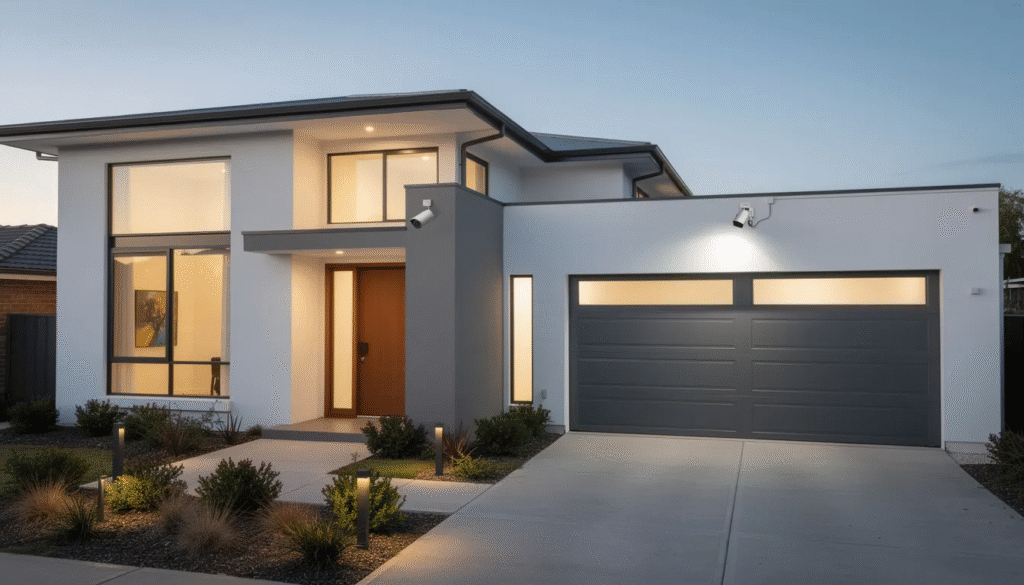
- Exterior lighting: Pathways, landscaping, and security lighting
Smart home prewiring is common and may cover:
- Automation systems: Prewiring for smart lighting, blinds, and climate control
- Data and media: Multiple data points, audio wiring, and home theatre setups
EV chargers and solar readiness frequently involve:
- EV charging circuits: Dedicated wiring for electric vehicle chargers
- Solar preparation: Conduit and switchboard capacity for future solar panels
The cost to wire a large or custom home in Kapiti usually starts around $18,000 and can exceed $25,000 or more, depending on the level of customisation and technology included.

Key Factors That Affect The Cost Of Wiring A New Home
When people search for the cost to wire a new home, they often expect a single fixed number, but the reality is that electrical pricing is shaped by a combination of design choices, lifestyle needs, and site conditions. In Kapiti, these factors can influence both labour time and material requirements, which is why two homes of similar size can end up with very different electrical costs. Understanding what drives these differences makes it easier to plan realistically and avoid budget blowouts later in the build.
Size And Layout Of The Home
The overall size of your home is one of the biggest cost drivers, but the layout is just as important. Larger homes require more cabling, more circuits, and more time to complete, while complex layouts can increase labour even in smaller builds. Long hallways, split levels, multiple living areas, and separate wings all add to installation time and materials.
Common cost considerations include:
- Total floor area: Larger square metres generally mean higher wiring costs.
- Layout complexity: Open-plan designs are often cheaper to wire than homes with many separate rooms.
- Multiple storeys: Two-storey homes usually require more planning and labour than single-level builds.
Number Of Power Points And Lights
One of the most common areas where homeowners underestimate costs is the number of power points and light fittings they actually want. Standard plans often include only the minimum required, but once you start thinking about furniture placement, home offices, and entertainment areas, the numbers quickly increase.
Key factors that affect pricing include:
- Additional power points: Every extra outlet adds material and labour costs.
- Dedicated circuits: High-use areas like kitchens and garages may need their own circuits.
- Outdoor power: Exterior outlets for decks, gardens, and sheds are often overlooked early on.
Type Of Lighting (LED, Feature, Exterior)
Lighting choices can have a significant impact on the final wiring cost. Basic batten fittings are inexpensive, but many homeowners opt for a mix of LED downlights, feature pendants, and exterior lighting to enhance both function and style.
Lighting-related cost factors include:
- LED downlights: More energy-efficient but can cost more upfront to install.
- Feature lighting: Pendant lights and architectural features often require extra wiring and support.
- Exterior lighting: Pathway, security, and landscape lights add complexity and labour time.
Smart Home Systems
Smart home technology is becoming increasingly popular in new Kapiti builds, but it can add to wiring costs if not planned properly. Systems for lighting control, security, audio, and automation often require additional cabling and specialised installation.
Costs are influenced by:
- Pre-wiring requirements: Running extra cables during construction is cheaper than retrofitting later.
- System integration: Combining multiple smart systems increases complexity.
- Future-proofing: Even basic pre-wiring for future upgrades can add modest costs upfront.
Heating, Ventilation, And Appliance Load
Modern homes rely heavily on electrical systems for heating, ventilation, and large appliances, all of which must be accounted for during the wiring stage. Heat pumps, ventilation systems, induction cooktops, and EV chargers require higher electrical capacity and dedicated circuits.
Important considerations include:
- High-load appliances: Kitchens and laundries often need multiple dedicated circuits.
- Heating systems: Heat pumps and underfloor heating increase electrical demand.
- Future appliances: Planning for electric vehicles or solar systems can affect switchboard size and wiring needs.
Coastal Environment Considerations In Kapiti
Kapiti’s coastal location introduces environmental factors that can influence wiring costs. Salt air and moisture can affect electrical components over time, making proper material selection and installation especially important.
Kapiti-specific factors include:
- Corrosion-resistant materials: Higher-quality fittings may be recommended for longevity.
- Outdoor exposure: Exterior wiring and fittings need extra protection.
- Compliance and durability: Installations may require additional measures to meet long-term safety standards.
Builder Vs Homeowner Supplied Fittings
Who supplies the electrical fittings can also affect the overall cost. Builder-supplied packages often include basic fixtures, while homeowners who choose their own fittings may incur additional installation or compatibility costs.
This typically affects pricing through:
- Standard inclusions: Builder packages are usually cheaper but limited in choice.
- Custom fittings: Homeowner-supplied items may require extra labour or adjustments.
- Timing and coordination: Delays in supplying fittings can increase labour costs.
Where Homeowners Often Underestimate Costs
Many people underestimate electrical costs because they focus only on the base wiring and overlook the cumulative impact of small upgrades. Extra power points, upgraded lighting, smart features, and future-proofing all add value, but they also add cost when not planned early.
Common oversights include:
- Underestimating power needs: Especially in kitchens, offices, and garages.
- Ignoring future upgrades: Retrofitting later is almost always more expensive.
- Assuming fittings are included: Many quotes cover wiring only, not fixtures.
In summary, the cost to wire a new home in Kapiti is shaped by far more than just square metres. Thoughtful planning, early decisions, and a clear understanding of your electrical needs can make a noticeable difference to both your budget and the long-term functionality of your home. Taking the time to address these factors upfront helps ensure your electrical system is practical, compliant, and built to last.

Electrical Wiring Cost Per Square Metre In NZ (Kapiti Context)
When budgeting for a new build, many homeowners in Kapiti come across electrical pricing quoted on a per square metre basis. While this approach can be useful early in the planning process, it’s important to understand what these figures actually represent and where they fall short, so you can budget with confidence and avoid surprises later on.
Typical NZ Electrical Wiring Cost Per Square Metre
Across New Zealand, the cost to wire a new home is often estimated using a per square metre range, particularly during early budgeting stages. In Kapiti, these figures usually reflect standard residential builds rather than high-end or highly customized homes.
Typical electrical wiring cost ranges include:
- $60–$90 per m²: Basic electrical layout with standard power points, lighting, and a simple switchboard
- $90–$120 per m²: Mid-range family homes with additional circuits, outdoor power, and feature lighting
- $120+ per m²: High-spec or custom homes with smart wiring, EV chargers, solar readiness, and complex lighting plans
These estimates are based on average assumptions and do not always reflect the specific design choices or environmental factors common in Kapiti homes.
Why Cost Per Square Metre Is Only A Rough Guide
While cost per square metre is widely used, it does not accurately capture how electrical work is priced in practice. Electrical costs are driven more by complexity and usage than by floor area alone.
This method is limited because:
- Different rooms require different electrical loads: Kitchens, laundries, and garages typically need more power points and circuits than bedrooms
- Home layout affects labour time: Open-plan designs, multi-storey homes, and long cable runs increase installation time
- Specification levels vary: Feature lighting, heated floors, and home automation significantly change wiring requirements
- Kapiti’s coastal environment matters: Corrosion-resistant fittings and materials may be required, increasing costs
For these reasons, two homes of the same size can have very different electrical budgets.
When Cost Per Square Metre Is Useful
Despite its limitations, per square metre pricing can still be helpful when used correctly and at the right stage of a project.
It is most useful when:
- Setting an early build budget: Provides a broad allowance before detailed plans are finalized
- Comparing home sizes: Helps estimate how electrical costs scale between smaller and larger homes
- Aligning with preliminary builder estimates: Many builders use similar benchmarks during concept pricing
At this stage, the goal is guidance rather than precision.
When Cost Per Square Metre Can Be Misleading
Relying too heavily on square metre pricing can lead to inaccurate expectations once the electrical layout is fully designed and quoted.
It becomes misleading when:
- Used as a final pricing figure: It does not reflect the actual scope of electrical work
- Applied to high-spec homes: Custom lighting, data cabling, and smart systems push costs well beyond averages
- Future-proofing is planned: Pre-wiring for solar, EV chargers, or security systems is often excluded
- Quotes lack itemization: Missing inclusions and exclusions create unrealistic expectations
Understanding these risks helps homeowners avoid budget shock later in the build.
Trust And Transparency In Electrical Cost Estimates
A reputable electrician will clearly explain that the cost per square metre is a planning tool, not a guaranteed price. Accurate electrical pricing requires detailed plans, clear specifications, and open discussion about current needs and future upgrades.
By using per square metre estimates as a starting point and moving to a detailed, itemized quote when plans are ready, Kapiti homeowners can make informed decisions and maintain control over their electrical budget.

What’s Included And What’s Not Included In Most Quotes
When reviewing quotes for wiring a new home in Kapiti, it is easy to assume that everything electrical is covered in a single price. In reality, most electrical quotes follow a standard structure that includes essential components while leaving optional or specialized items out. Understanding what is included and what is not included upfront helps you avoid unexpected costs later in the build, especially once walls are closed and changes become more expensive.
Included
- Labour:
Labour usually covers the electrician’s time for the full electrical installation, including the rough-in stage, fit-off, testing, and final connection. This also accounts for coordination with your builder and inspections required to complete the job correctly and safely. - Standard Wiring:
Standard wiring generally includes the cabling needed for power points, basic lighting circuits, and fixed appliances according to the agreed electrical plan. This covers the internal wiring run through walls and ceilings but does not usually include upgraded cable types or additional circuits beyond the standard scope. - Switchboard:
Most quotes include a standard switchboard suitable for a typical residential new build. This usually comes with safety switches and circuit breakers required to meet New Zealand electrical regulations, providing a safe and compliant power distribution system for the home. - Compliance Testing:
Electrical compliance testing is a critical inclusion and is required by law in New Zealand. This ensures the installation meets current safety standards and includes certification that the work has been completed correctly, protecting both homeowners and future occupants.
Often Excluded
- Light Fittings:
While wiring for lights is typically included, the actual light fittings are often excluded. Many electricians allow homeowners or builders to supply their own fittings, which are then installed at an additional cost if not specified in the original quote. - Smart Systems:
Smart home features such as automated lighting, smart switches, or integrated control systems are usually treated as upgrades. These systems require additional planning, specialised components, and sometimes programming, which places them outside standard wiring quotes. - Data Cabling:
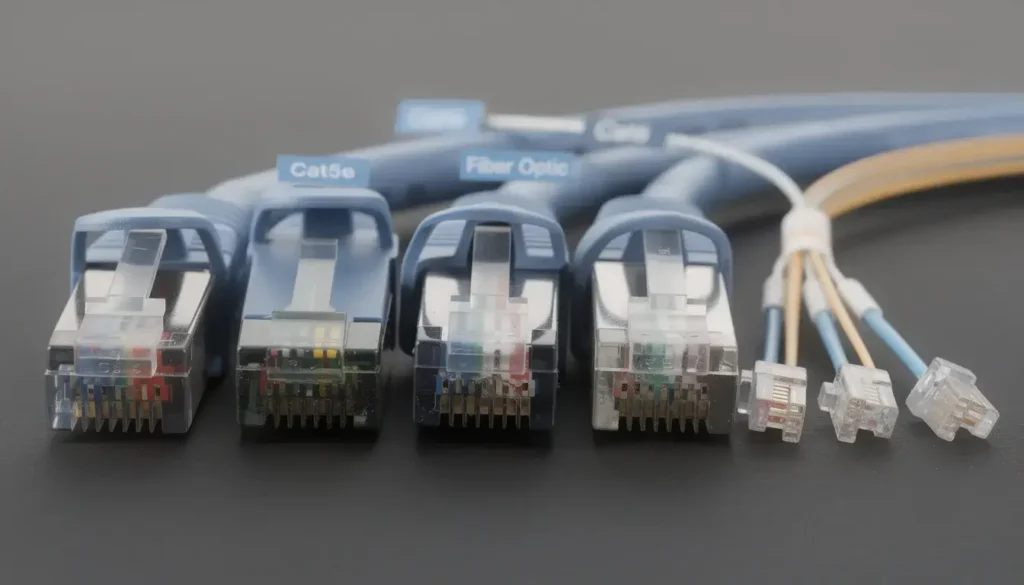
Data cabling for internet, home offices, or entertainment systems is often excluded unless specifically requested. This includes network points, structured cabling, and wiring for media rooms, which are increasingly common but not always part of a basic electrical package. - EV Chargers:
Electric vehicle chargers are typically excluded from standard wiring quotes. Installing one often requires a dedicated circuit, higher-capacity cabling, and future-proofing considerations, all of which add to the overall cost. - Solar Connections:
Wiring for solar panels or battery systems is rarely included unless stated. Even if solar is planned for the future, pre-wiring or switchboard upgrades may need to be discussed and priced separately.
Understanding these inclusions and exclusions allows you to compare quotes accurately and ask the right questions before committing. Taking the time to clarify the scope of work early can help prevent budget overruns and ensure your new home’s electrical system meets both your current and future needs.

New Build Electrical Costs Vs Renovations
When comparing electrical costs for a new build versus a renovation, the differences often come down to access, planning, and flexibility. Homeowners are frequently surprised to learn that wiring a brand-new home is usually more cost-effective on a per-point basis than upgrading or rewiring an existing property. Understanding why this difference exists can help you make smarter budgeting decisions and avoid unexpected expenses later in the project.
Why New Builds Are Usually Cheaper Per Point
In a new build, electricians can install wiring, cabling, and switchboards before walls, ceilings, and finishes are in place. This unrestricted access significantly reduces labour time and complexity, which directly lowers the cost per power point, light, or switch.
Key reasons new builds cost less per point:
- Open access: Cables are run easily through framing without cutting or repairing walls.
- Faster installation: Electricians can work efficiently without obstacles or delays.
- Simpler compliance: New builds are designed to meet current electrical standards from the start, reducing rework.
- Minimal disruption: There is no need to protect existing finishes or furnishings, which saves time and cost.
Because everything is installed in a single, coordinated process, new builds offer better value and more predictable pricing for electrical work.
Advantages Of Planning Early
Early electrical planning is one of the biggest advantages of a new home build. When wiring is considered at the design stage, homeowners can align their electrical layout with how they actually live, rather than trying to adapt an existing structure later.
Benefits of early planning include:
- Accurate budgeting: Clear plans reduce surprise costs and variations.
- Efficient layouts: Power points, lighting, and switches are placed exactly where they are needed.
- Future readiness: Homes can be pre-wired for features like EV chargers, solar systems, or smart technology.
- Fewer changes: Avoiding last-minute decisions helps keep the project on schedule and within budget.
Planning early also allows electricians, builders, and homeowners to collaborate, ensuring the electrical system supports both current needs and future upgrades.
Flexibility Vs Retrofitting
Flexibility is where new builds clearly outperform renovations. In a new home, you have complete freedom to design the electrical system from scratch. In contrast, renovations often require working around existing wiring, limited access points, and outdated infrastructure.
New builds offer greater flexibility because:
- Custom layouts: Electrical systems can be tailored to the home’s design and lifestyle needs.
- Modern standards: All wiring complies with current regulations without compromise.
- Cleaner installation: There is no need to hide new wiring or patch damaged surfaces.
Renovations often involve retrofitting challenges such as:
- Restricted access: Walls and ceilings must be opened and repaired.
- Higher labour costs: Extra time is needed to remove or work around old wiring.
- Compatibility issues: Older systems may not support modern electrical demands.
While renovations can still deliver excellent results, they typically require more time, labour, and cost compared to wiring a new home from the ground up.

How To Reduce Electrical Wiring Costs Without Cutting Corners
Electrical wiring is one of those areas where smart planning can make a real difference to your overall build budget without compromising safety, performance, or future flexibility. Cutting costs does not mean choosing the cheapest materials or rushing decisions. Instead, it comes down to planning early, understanding what you actually need, and making practical choices that avoid unnecessary work later on.
Plan Early With Your Electrician
Getting an electrician involved early in your new build is one of the simplest ways to control the cost to wire a new home in Kapiti. Early planning helps align your electrical layout with your floor plan and avoids changes once construction is underway.
- Early consultation: Identifies potential layout issues before walls go up, reducing rework and added labour
- Clear budgeting: A defined electrical plan allows for more accurate quotes and fewer surprise costs
- Efficient design: Electricians can recommend practical switch and outlet locations that minimise cable runs
When electrical decisions are delayed, even small changes can add unexpected costs.
Group Power Points Efficiently
Power points are essential, but adding them without a plan can quickly increase wiring costs. Grouping outlets where they are logically needed helps reduce labour and material use while keeping your home functional.
- Smarter placement: Install multiple outlets where devices are commonly used together, such as entertainment areas
- Reduced wiring: Fewer cable runs mean lower material and installation costs
- Cleaner finish: Thoughtful grouping leads to a neater and more practical layout
This approach ensures you have enough power points without paying for unnecessary extras.
Pre Wire For Future Upgrades
Pre-wiring during construction is far more affordable than adding upgrades later. Even if you are not ready to install advanced systems now, preparing for them can save money over time.
- Future ready: Makes it easier to add solar, EV chargers, data cabling, or smart home systems later
- Lower retrofit costs: Avoids cutting into finished walls or ceilings
- Added value: Homes with future-ready wiring are often more appealing to buyers
Pre-wiring is a practical way to balance current budget limits with long-term flexibility.
Avoid Late Changes During The Build
Late-stage changes are one of the biggest drivers of electrical cost overruns. Once wiring has started, even minor adjustments can lead to extra labour and delays.
- Additional labour charges: Electricians may charge for removing and reinstalling wiring
- Project delays: Electrical changes can impact other trades and slow progress
- Material waste: Existing cables or fittings may need to be replaced
Finalising your electrical plan early helps keep costs predictable and manageable.
Choose Value Over Trend
Trendy electrical features and designer fittings can push costs up quickly without always delivering long-term benefits. Focusing on quality and practicality usually provides better value.
- Proven products: Reliable fittings often last longer and reduce maintenance issues
- Functional upgrades: Spend on features that improve daily use, such as good lighting design
- Balanced choices: Save premium options for areas where they truly add comfort or usability
Choosing value over trends helps keep wiring costs reasonable while still achieving a modern, well-finished home.

Choosing The Right Electrician In Kapiti
Choosing the right electrician is one of the most important decisions you’ll make during a new home build. The quality of the electrical work impacts your budget, your home’s safety, and how well everything functions long term. In Kapiti, where coastal conditions and local compliance requirements matter, working with the right professional helps prevent delays, unexpected costs, and future issues.
What To Look For In A Kapiti Electrician
When comparing electricians, price alone should never be the deciding factor. The right electrician combines technical expertise, local experience, and clear communication throughout the build.
- Licensed and registered in NZ:
Always confirm that your electrician is licensed and registered with the Electrical Workers Registration Board in New Zealand. This ensures they meet national safety standards and are legally approved to complete electrical work on new builds, protecting both your home and your investment. - Experience with new builds:
New home wiring requires careful planning and coordination with builders and other trades. An electrician experienced in new builds understands construction timelines, efficient cable routing, and how to design electrical layouts that work now and into the future. - Knowledge of Kapiti Coast conditions:
Kapiti’s coastal environment can affect electrical systems over time. A local electrician will consider moisture exposure, corrosion risks, and appropriate materials, helping improve durability and reduce maintenance issues down the line. - Transparent quoting:
A trustworthy electrician provides clear, itemised quotes that outline what is included and what is excluded. This transparency allows you to budget accurately and compare quotes properly without hidden surprises later. - Clear communication:
Strong communication makes the entire process easier. A good electrician explains options in plain language, responds promptly to questions, and keeps you informed as the project progresses so you always know where things stand.
Questions To Ask Before Hiring An Electrician
Asking the right questions before hiring helps set clear expectations and reduces the risk of misunderstandings during your build.
- What’s included in the quote?:
Ask for a clear breakdown of what the price covers, such as wiring, switchboards, power points, testing, and certification. This helps you understand whether items like light fittings, data cabling, or smart home features are additional costs. - Who handles council compliance?:
Electrical work must meet New Zealand standards and local council requirements. Confirm whether the electrician manages inspections, testing, and compliance documentation, or whether this is handled by your builder or yourself. - How are variations charged?:
Changes during a build are common. Ask how variations are priced, whether they are charged at a fixed rate or hourly, and how approvals are handled so there are no surprises if you decide to make changes later.
Choosing the right electrician in Kapiti is about more than just getting the job done. It’s about working with someone who understands local conditions, communicates clearly, and delivers safe, compliant work you can rely on. Taking the time to choose carefully now can save you money, stress, and problems well after your new home is complete.

Common Mistakes Homeowners Make When Wiring A New Home
Wiring a new home is one of those stages where early decisions can have long-term consequences, both financially and practically. While most homeowners focus on layouts and finishes, electrical planning is often rushed or underestimated, which can lead to frustration and added costs later. We see this happen all the time, especially when homeowners rely on assumptions instead of clear planning and professional guidance. Understanding these common mistakes can help you avoid them and ensure your new home is practical, comfortable, and future-ready from day one.
- Underestimating Power Needs:
One of the most common issues in new builds is not allowing for enough power points and circuits. Many homeowners base their decisions on their current lifestyle rather than how they will actually live in the home long term. With more devices, appliances, and home offices than ever before, homes often end up short on outlets, leading to overuse of power boards and extension cords. This not only looks untidy but can also create safety risks and everyday inconvenience. Careful room-by-room planning helps ensure your home has the right number of outlets where you actually need them. - Skipping Future-Proofing:
Another frequent mistake is wiring only for immediate needs and ignoring future upgrades. Homeowners sometimes skip pre-wiring for EV chargers, solar systems, data cabling, additional heating, or smart home features to save money upfront. However, adding these later often requires cutting into walls and ceilings, making it far more expensive and disruptive. Even if you do not plan to install these features straight away, allowing for them during construction is usually a smart and cost-effective choice. - Choosing The Cheapest Quote Without Scope Clarity:
It is tempting to choose the lowest-priced quote, especially when budgets are tight, but cheaper quotes often come with limited scope. Some exclude important elements such as outdoor power points, data wiring, adequate circuits, or compliance testing. Without fully understanding what is included, homeowners can face unexpected variation costs partway through the build. Reviewing quotes carefully and comparing scope rather than price alone helps avoid unpleasant surprises. - Not Budgeting For Fittings:
Many homeowners assume that light fittings and feature fixtures are included in the wiring cost, only to find out later that these are additional expenses. While electricians typically install the wiring and basic fittings, decorative lights and specialty fixtures are often supplied separately. Failing to budget for these items can put pressure on finances near the end of the build, when changes are harder to make. Clarifying this early helps you plan realistically and avoid last-minute compromises.
Avoiding these common mistakes comes down to thoughtful planning and open communication with your electrician from the start. Taking the time to think about how you will use your home both now and in the future can save money, reduce stress, and ensure your electrical setup supports your lifestyle for years to come.
Planning your new home build in Kapiti? Don’t rely on generic online estimates that may not reflect your actual costs. Get clear, accurate advice from local electrical professionals who understand Kapiti Coast builds, council requirements, and coastal conditions. Visit our website today to learn more, explore expert resources, or request a tailored quote that gives you confidence before construction begins — because getting your wiring right from the start saves time, money, and stress later on.
References
- Electrical Cost for New Home Construction NZ – Full Guide
https://prolectrix.co.nz/electrical-cost-for-new-home-construction-nz/ (prolectrix.co.nz) - How Much Does It Cost to Rewire a House – ServiceTasker NZ
https://servicetasker.co.nz/cost-guides/how-much-does-it-cost-to-rewire-a-house (servicetasker.co.nz) - How Much Does Electrical Work Cost? (And How to Budget for It)
https://www.neonelectrical.co.nz/articles/how-much-does-electrical-work-cost-and-how-to-budget-for-it/ (Neon Electrical Ltd) - How Much Does It Cost To Wire A New House NZ – Wiring Work
https://www.wiringwork.com/how-much-does-it-cost-to-wire-a-new-house-nz/ (wiringwork.com) - Frequently Asked Questions – Wakefield Electrical (House Wiring Costs NZ)
https://www.wakefieldelectrical.co.nz/about-us/electrical-faqs/ (wakefieldelectrical.co.nz)

FAQs: About Cost To Wire A New Home In Kapiti
How much does it cost to wire a new home in Kapiti?
The cost to wire a new home in Kapiti typically ranges from $8,000 to $20,000 or more, depending on the home’s size, electrical layout, fittings, and any additional features like smart technology or EV chargers.
What is included in the cost of wiring a new home?
Most wiring costs include labour, standard electrical wiring, switchboards, power points, lighting circuits, and compliance testing, but often exclude light fittings, smart systems, and specialty installations.
Does house size affect electrical wiring costs?
Yes, larger homes usually cost more to wire because they require more cabling, circuits, power points, and time to complete compared to smaller homes.
Are electrical wiring costs higher in Kapiti compared to other areas?
Kapiti wiring costs are generally similar to other parts of New Zealand, but coastal conditions, local labour rates, and council requirements can slightly influence pricing.
Is electrical wiring cheaper in a new build than a renovation?
Yes, wiring a new home is usually more cost-effective than rewiring an existing property because access is easier and no demolition or retrofitting is required.
What electrical upgrades increase the total wiring cost?
Upgrades such as feature lighting, smart home systems, data cabling, security systems, solar readiness, and EV chargers can significantly increase the overall cost.
Can I reduce the cost of wiring my new home?
You can reduce costs by planning your electrical layout early, avoiding last-minute changes, grouping power points efficiently, and pre-wiring for future upgrades instead of retrofitting later.
Do electricians charge per square metre in New Zealand?
Some electricians use a cost-per-square-metre estimate as a rough guide, but final pricing is usually based on the actual electrical scope, fittings, and complexity of the job.
Are coastal homes in Kapiti more expensive to wire?
Coastal homes may require higher-quality materials or corrosion-resistant fittings, which can slightly increase costs but improve long-term safety and durability.
When should I involve an electrician in a new build?
An electrician should be involved during the planning stage of your build to ensure accurate budgeting, efficient layouts, and compliance with New Zealand electrical standards.
Conclusion
Wiring a new home in Kapiti is a significant investment, but with the right information and early planning, it does not have to be overwhelming or unpredictable. While online estimates can give you a rough starting point, the reality is that every home has unique requirements based on size, layout, lifestyle needs, and future plans, which is why transparency and clear communication from the outset are so important. Taking the time to plan your electrical layout properly, understanding what is and is not included in quotes, and allowing room in your budget for upgrades or changes can help you avoid stress, delays, and unexpected costs later in the build. Most importantly, working with a local Kapiti electrician who understands coastal conditions, local regulations, and new-build processes will give you a far more accurate picture of your true wiring costs. Every home is different, and the best way to understand your real wiring cost is to speak with a local Kapiti electrician who understands your build.