
Welcome to your trusted guide for switchboard replacement on the Kapiti Coast. Whether you’re a homeowner or small business, we’re here to provide expert advice, reliable solutions, and efficient service to keep your electrical system safe and running smoothly. Let’s work together to bring you peace of mind and energy-efficient upgrades tailored to your unique needs.
Key Takeaways
- Most Kapiti Coast homes pay between $1,400 and $3,500 incl. GST for a full switchboard replacement in 2026, with standard 3-bedroom houses typically falling in the $1,400–$2,200 range.
- Replacement usually takes half a day to a full day, with power off for approximately 3–6 hours.
- Only a registered electrician can legally replace a switchboard in New Zealand under the Electricity Act and AS/NZS 3000 – DIY work is unsafe, non-compliant, and can void your insurance.
- Modern switchboards with RCD and RCBO protection dramatically reduce fire and shock risks, and are often required for Healthy Homes compliance and insurance purposes.
- Free site visits and written quotes are standard practice across Kapiti (Paraparaumu, Waikanae, Ōtaki, Raumati, Pukerua Bay), so always confirm pricing before booking any electrical work.
Table of Contents
Typical Switchboard Replacement Cost in Kapiti
If you’re searching for the cost to replace switchboard Kapiti, here’s the direct answer: most homeowners across the Kapiti Coast pay between $1,400 and $3,500 including GST for a complete switchboard upgrade in 2026. Light commercial premises typically range from $2,500 to $5,000 or more, depending on circuit count and load requirements.
Here’s what you can expect based on property type:
| Property Type | Typical Cost (incl. GST) | Notes |
|---|---|---|
| Standard 3-bed Kapiti house | $1,400 – $2,200 | Like-for-like upgrade with RCDs |
| Older villas/baches with issues | $2,200 – $3,500+ | Asbestos removal, rewiring, or main upgrade needed |
| Small commercial (retail/office/workshop) | $2,500 – $5,000+ | Depends on circuits and load |
What’s usually included in these prices:
- New compliant switchboard enclosure
- RCD or RCBO protection on required circuits
- Clear circuit labelling
- Full testing and verification
- Electrical Safety Certificate (ESC) and Certificate of Compliance (CoC)
What can add extra cost:
- After-hours or urgent work
- Repairing damaged or deteriorated wiring
- Relocating the board to a new position
- Upgrading mains supply from the street
- Asbestos backing removal in pre-1990s installations
Most residential jobs around Paraparaumu and Waikanae are completed in half a day to a full day, with power switched off for approximately 3–6 hours during the installation phase.
What a Switchboard Does and Why Replacement Matters in Kapiti Homes
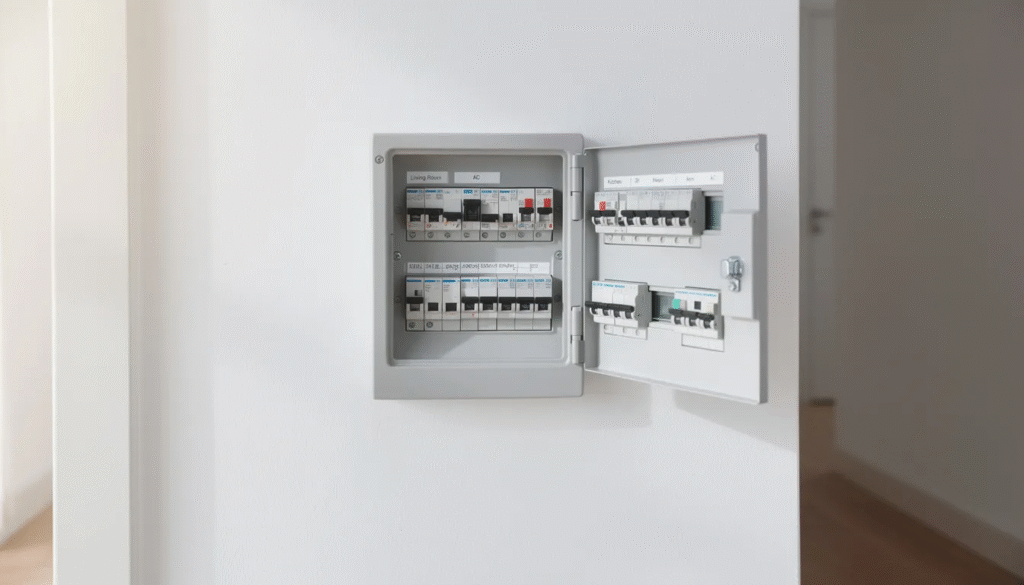
Your switchboard is the central hub of your entire electrical system. It takes the incoming power from the street and distributes it safely to every circuit in your home or business – from lighting and power points to your hot water, oven, heat pumps, and EV chargers.
Inside the switchboard, protective devices like fuses, circuit breakers, and safety switches (RCDs/RCBOs) monitor the flow of electricity. When something goes wrong – an overload, short circuit, or earth fault – these devices trip to prevent damage, fire, or electric shock.
Why this matters for Kapiti properties:
Many homes across Paraparaumu Beach, Ōtaki, and Raumati were built in the 1950s–1980s with ceramic fuses and no RCD protection. These older boards were fine for their era, but they simply can’t provide the protection modern homes require.
Insurers, Healthy Homes legislation, and NZ electrical regulations increasingly expect modern protective devices on power and lighting circuits. If your existing switchboard lacks these features, you may face:
- Higher fire risk from overheating and overloaded wiring
- Increased shock risk, especially in wet areas and outdoor circuits
- Nuisance tripping and unexplained power loss
- Difficulty meeting compliance for rentals or property sales
A switchboard upgrade addresses all of these electrical problems while bringing your property up to current safety standards.
Main Factors That Affect Switchboard Replacement Cost on the Kapiti Coast
Two similar-sized houses in Kapiti can have vastly different replacement costs. The final price depends on the board’s condition, property access, and how much compliance work is required.
Key cost drivers:
| Factor | Impact on Cost |
|---|---|
| Age and type of existing board | Ceramic fuses, asbestos backing, and timber meter boards from the 1960s–1970s require more labour to remove safely |
| Number of circuits | More circuits for power, lighting, hot water, oven, heat pump, EV chargers, spa, and shed mean a larger board |
| RCDs vs RCBOs | Individual RCBOs cost more but isolate faults to single circuits, reducing nuisance tripping |
| Wiring condition | Perished insulation or undersized cables may require additional work before the new board can be fitted |
| Property type | Single-phase houses are simpler than three-phase supply for larger homes and workshops |
| Site access | Cramped cupboards, recessed meter boxes, or weather-exposed locations add labour time |
Light commercial premises along Kapiti Road or Main Road Ōtaki typically require larger boards with more circuits and higher-rated components, pushing costs toward the upper end of the range.
A detailed written quote should break down materials, labour, any asbestos handling, and optional extras so you understand exactly where your money is going.
Common Signs Your Kapiti Switchboard Needs Replacing
Many Kapiti homeowners only think about their switchboard when things start going wrong. But warning signs often appear well before a serious failure.
Symptoms to watch for:
- Frequent blown fuses or breaker trips when using heaters, kettles, or dryers
- Flickering lights when appliances kick in
- Warm or discoloured switchboard cover
- Burning smell or buzzing/humming sounds from the board
- Appliances not working consistently
Visual age indicators:
- Porcelain or ceramic fuses with rewireable fuse carriers
- No clearly labelled circuits
- Taped-over fuses or makeshift repairs
- Old black or cloth-covered cables entering the board
If an electrician finds no RCDs on power circuits, exposed connections, or signs of moisture ingress – particularly common in coastal areas like Raumati and Paekākāriki – they will typically recommend replacement.
Book a safety inspection if you’re unsure about your switchboard’s age or compliance status, especially before renovations, selling, or renting your property.
Residential vs Commercial Switchboard Replacement Costs in Kapiti
Homes and small businesses on the Kapiti Coast have different load and compliance requirements, which directly affects the cost of professional switchboard upgrades.
Residential Switchboard Replacement
Most 2–4 bedroom Kapiti homes run on single-phase supply with 8–16 circuits. Common upgrades include:
- Converting old fuse boards to modern enclosed boards
- Adding RCD or RCBO protection on all circuits
- Installing surge protection
- Allowing space for future EV chargers or hot water heat pumps
Typical cost: $1,400–$2,500 for most homes, including ESC and CoC.
Example: A 1970s three-bedroom home in Waikanae with ceramic fuses and no RCDs might pay around $1,800 for a complete upgrade to a modern switchboard with dual RCDs and labelled circuits.
Commercial Switchboard Replacement
Offices, cafés, workshops, and warehouses from Paraparaumu to Ōtaki often require:
- Larger boards with more circuit capacity
- Three-phase power for heavy equipment
- Scheduling around trading hours
- Additional safety documentation and planning
Typical cost: $2,500–$5,000+ depending on complexity.
Example: A small mechanical workshop in Ōtaki requiring a new 24-pole three-phase board with individual RCBOs might expect to pay around $4,200 including compliance documentation.
Both residential and commercial jobs must comply with New Zealand electrical regulations and often require coordination with Kapiti Coast District Council and network company requirements.
What’s Included in a Modern Switchboard Upgrade (Kapiti Standards)
Understanding what a proper 2026-standard replacement includes helps you compare quotes fairly and avoid unpleasant surprises.
Standard inclusions:
- New metal or high-quality plastic switchboard enclosure, sized for future circuits
- New main switch rated for your property’s load
- Circuit breakers on all circuits
- RCDs or RCBOs on all required circuits (power, lighting, outdoor)
- Correctly sized neutral and earth bars
- Earth bonding checks and MEN link verification
- Clear circuit labelling for lights, sockets, oven, hot water, heat pump, EV charger, shed, etc.
Testing and certification:
- Insulation resistance testing
- Earth fault loop impedance testing
- RCD trip time verification
- Polarity checks on all circuits
- Electrical Safety Certificate (ESC)
- Certificate of Compliance (CoC)
These documents are essential for insurance claims and future property sales.
Popular extras:
- Surge protection devices for electronics and appliances
- Spare ways for future renovations or new appliances
- Neat cable management for easier fault-finding later
Step-by-Step: How a Kapiti Electrician Replaces Your Switchboard
A standard replacement is well-planned to minimise power downtime and disruption to your home or business. Here’s what the process typically looks like:
Phase 1: Pre-Inspection and Quote
- On-site visit anywhere across the Kapiti Coast (Levin to Pukerua Bay)
- Assessment of existing board, wiring condition, and network/meter position
- Written quote with itemised breakdown
Phase 2: Booking and Preparation
- Agreeing on installation date
- Advising expected power-off duration
- Liaising with the lines company or metering provider if required
Phase 3: Installation Day
- Isolating supply safely and confirming power is off
- Removing old fuses and board
- Safely handling any suspected asbestos backing (specialist disposal if required)
- Tidying existing cables
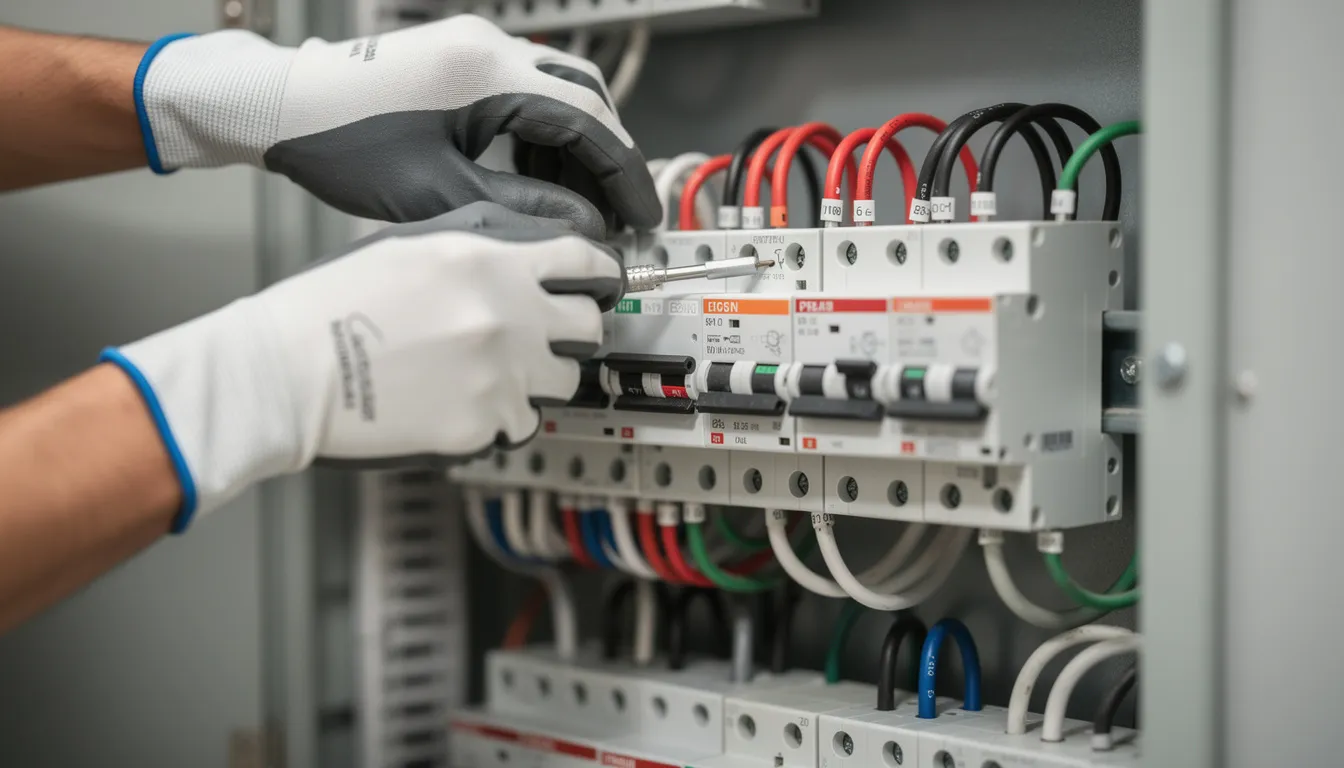
- Fitting new enclosure, main switch, breakers, and RCDs/RCBOs
- Neatly terminating each circuit
Phase 4: Testing and Handover
- Testing every circuit for safety and compliance
- Labelling all circuits clearly
- Restoring power
- Walking you through the new board and showing how to reset tripped devices
- Issuing ESC and CoC
- Advising on any recommended future work
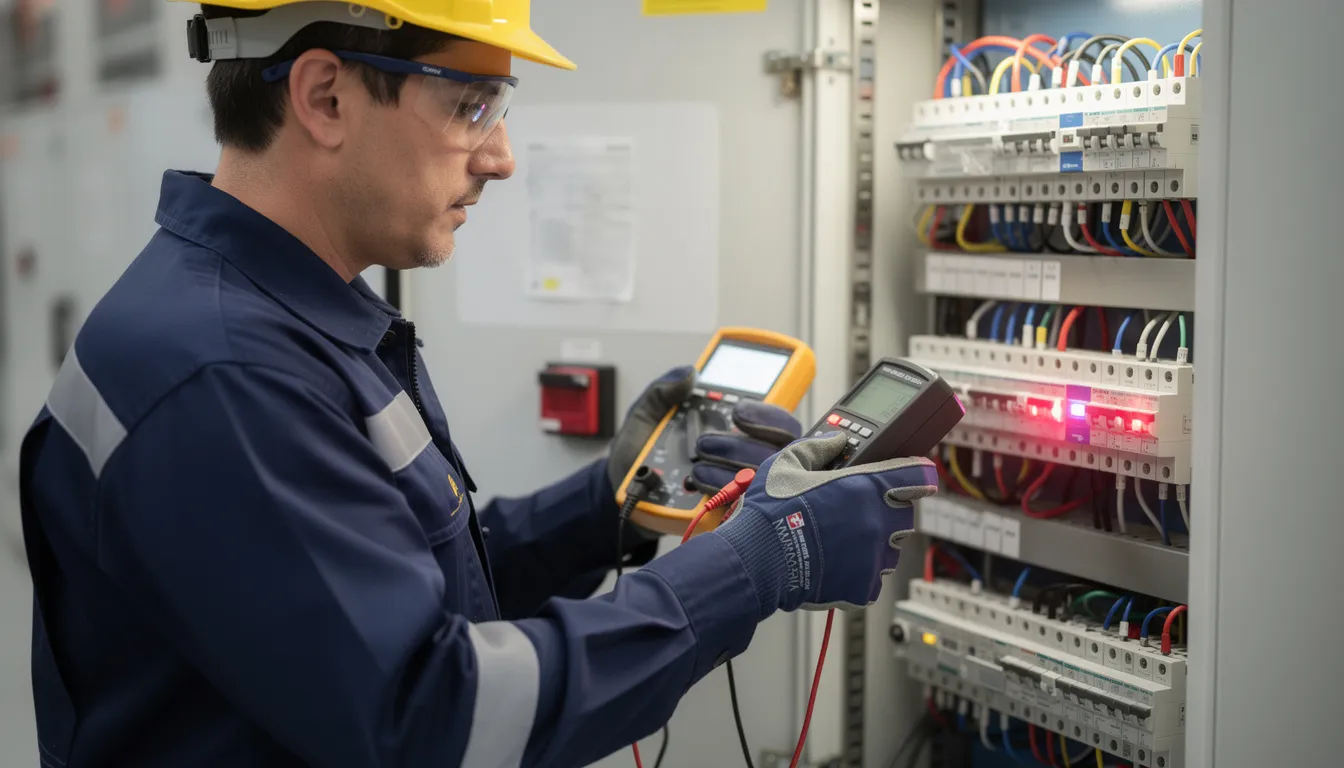
Typical timeframe: Half a day to full day for most Paraparaumu or Waikanae homes. If you have critical medical equipment or business-critical loads, discuss contingency plans with your electrician before the job.
Smart Add-Ons and Future-Proofing Your Kapiti Switchboard
Replacing your switchboard is the perfect opportunity to prepare for future electrical needs. Planning ahead now can save significant money in the long run.
Popular optional extras:
| Add-On | Benefit | Approximate Extra Cost |
|---|---|---|
| Spare ways | Room for future EV chargers, spas, or outdoor power | $50–$150 |
| Surge protection devices | Protects appliances from grid disturbances and lightning | $150–$400 |
| Dedicated circuits | Prevents nuisance tripping for heat pumps, home offices, or workshops | $150–$300 per circuit |
| Three-phase upgrade | Essential for large workshops or multiple high-draw new appliances | $1,000–$3,000+ |
Future-proofing considerations:
- Solar PV and battery system compatibility – even if not installed yet, planning space now reduces later labour costs
- EV charger provisions – pre-wiring for dedicated circuits saves time when you buy an electric vehicle
- Home automation ready – smart switchboards with monitoring capabilities are becoming more common
Discuss your lifestyle plans with your Kapiti electrician. Whether you’re considering an EV, home office expansion, or minor dwelling, sizing your new switchboard correctly the first time delivers greater efficiency and avoids costly upgrades later.
How to Compare Quotes and Choose the Right Kapiti Electrician
The cheapest quote isn’t always the best choice, especially for safety-critical electrical work like switchboard replacement. Quality workmanship and compliance matter.
Key elements to compare:
- Whether RCDs or RCBOs are included and on which circuits
- Brand and rating of switchboard and breakers (avoid vague or generic products)
- Inclusion of surge protection, labelling, testing, ESC and CoC
- Total price including GST
Selection tips:
- Verify the electrician is a registered electrician with current licensing
- Check they’re insured and familiar with Kapiti network and council requirements
- Look for local reviews or case studies from Paraparaumu, Waikanae, Raumati, Ōtaki
- Ask for references from previous customers
Questions to ask each electrician:
- How long will the job take?
- How long will power be off?
- Do you foresee any issues with existing wiring or asbestos that could change the price?
- What warranty do you provide on workmanship?
Get at least two written quotes, and be wary of prices that fall far below typical Kapiti market rates. Unusually cheap quotes often indicate corners being cut on materials or compliance.
Trusted electricians with an experienced team will work closely with you to understand your unique needs and provide honest advice about the best approach for your property.
Maintaining Switchboard Safety Over Time on the Kapiti Coast
Even a brand-new switchboard needs occasional checks to stay safe and compliant as your electricity usage changes over time.
Simple homeowner checks:
- Visually inspect the board cover every few months for heat marks, moisture, or damage
- Test RCDs every 3–6 months using the “TEST” button
- Note any RCDs that fail to trip – this indicates a fault requiring professional attention
- Keep the area around your switchboard clear and accessible
Recommended professional maintenance:
| Property Type | Recommended Inspection Frequency |
|---|---|
| Owner-occupied homes | Every 5–10 years |
| Rental properties | Every 3–5 years |
| Workshops and commercial premises | Every 3–5 years |
| Older properties (pre-1980s wiring) | Every 3–5 years |
When to call your electrician:
- Adding major appliances like EV chargers, heat pumps, or spa pools
- Planning renovations or extensions
- Noticing any unusual behaviour (flickering lights, warm outlets, burning smells)
- Before selling or renting your property
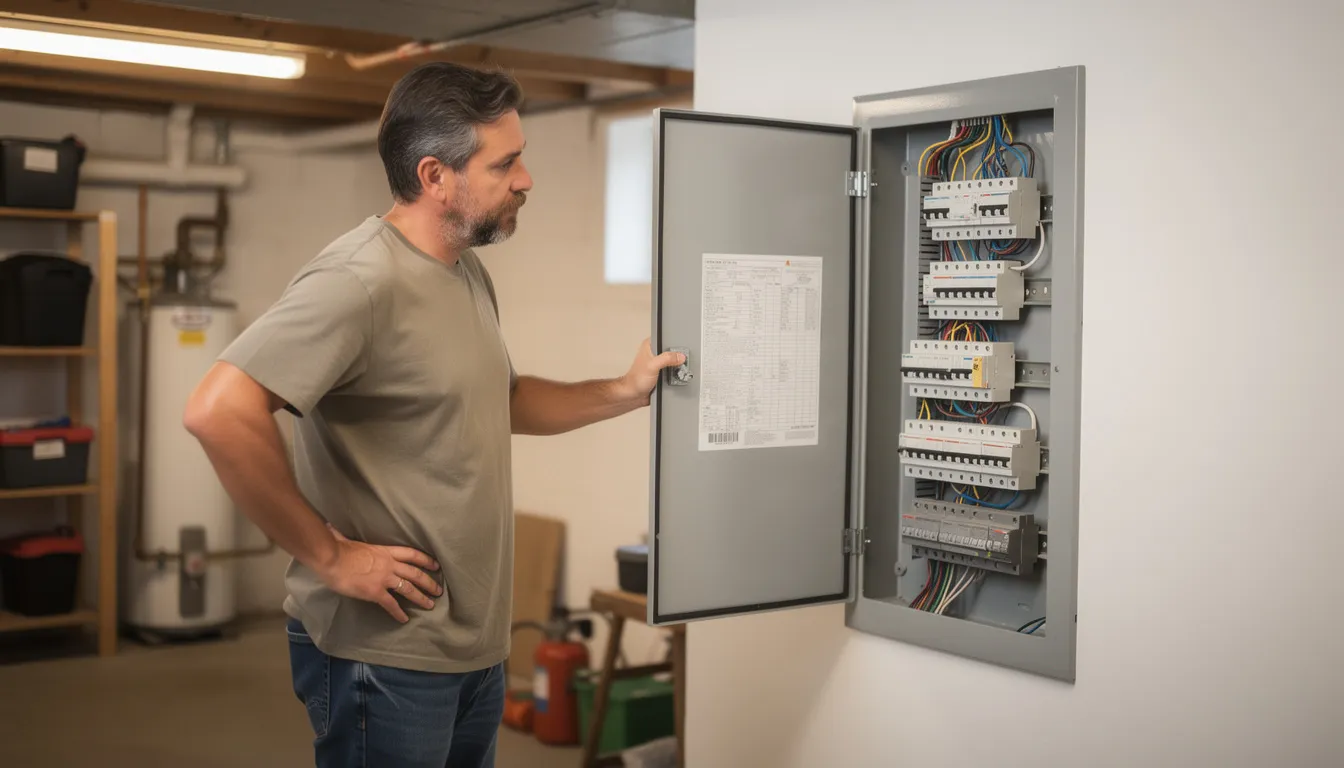
Keep your ESC, CoC, and any plans in a safe place. Provide these documents to future electricians, buyers, or property managers as proof of compliant electrical work. This simple step gives everyone peace of mind and demonstrates reliable solutions were used.
FAQ – Kapiti Switchboard Replacement Costs and Practical Details
Can I claim my switchboard replacement on insurance in Kapiti?
Insurance may cover switchboard replacement if the damage resulted from a specific insured event like fire, lightning strike, or power surge. However, general age-related upgrades aren’t typically covered. Check your policy and speak with your insurer before booking work. Having a CoC from your electrician can support any future claims for improved safety.
Will replacing my switchboard increase my Kapiti property’s value?
A new switchboard alone may not dramatically boost your sale price, but it’s highly attractive to buyers and building inspectors. Modern boards with RCD protection remove safety red flags from pre-purchase reports, which can speed up sales and provide peace of mind for all parties. It’s a cost effective investment that supports the overall value of modern homes.
Do I need to upgrade the whole house wiring when I replace the switchboard?
Not always. If your existing wiring tests safe and meets capacity requirements, only the board may need replacing. However, in very old properties with deteriorated wiring, your electrician may recommend staged rewiring. A thorough inspection before the job will identify any safety risks in your circuits.
Can I stay in the house while the switchboard is being replaced?
Yes, you can typically stay at home. However, power will be off to most circuits for several hours (usually 3–6 hours). Plan ahead for heating, cooking, and device charging. If you work from home or have medical equipment requiring electricity, discuss this with your electrician to arrange a hassle free process with minimal disruption.
How far in advance should I book a Kapiti electrician for a switchboard replacement?
For non-urgent work, 1–3 weeks’ notice is typical across the Kapiti Coast. During peak renovation seasons (spring and summer), you may need to book further ahead. Urgent electrical safety issues are usually prioritised by our friendly team and other local professionals. If you’re coordinating with other trades for renovations, book early to ensure everything runs smoothly.
What is the difference between a residential and a commercial switchboard?
Residential switchboards are designed for homes and manage lower electrical loads, while commercial switchboards are built to handle higher capacities, complex distribution, and varying power demands for businesses and industrial facilities.
Why do commercial switchboards cost more than residential ones?
Commercial switchboards manage higher electrical loads, require more complex circuit protection, and often include technologies like smart metering, making them more expensive than residential boards.
What is the average cost of a residential switchboard upgrade in Kapiti in 2026?
In 2026, the cost of a standard residential switchboard replacement in the Kapiti region typically ranges from $1,500 to $3,500 + GST, depending on capacity, circuits, and site conditions.
How much does a basic switchboard upgrade cost?
A basic switchboard with 12 circuits or fewer typically costs around $1,599 + GST, with additional circuits costing approximately $200 + GST each.
What does a modern switchboard kit cost?
A modern switchboard kit usually costs between $350 and $650, depending on the number of circuits and safety devices included.
What factors affect the cost of a switchboard upgrade?
The cost varies based on:
- Number of circuits
- Board location
- Required capacity (single-phase vs three-phase)
- Compliance upgrades (RCDs, AFDDs)
- Meter location
- Presence of asbestos
- Need for rewiring
How long does a switchboard upgrade take?
Most switchboard upgrades take a few hours to a full day, depending on complexity and whether additional work is required.
When should a switchboard be upgraded?
A switchboard should be upgraded if you experience:
- Flickering lights
- Blown fuses
- Warm power points
- Frequent tripping
- Renovations or appliance upgrades
- Installation of EV chargers or solar systems
Are switchboard upgrades required during renovations?
Yes. Switchboard upgrades are essential during renovations to ensure safe, reliable power and compliance with modern electrical standards.
Do modern switchboards require RCDs?
Yes. Under the Electricity (Safety) Amendment Regulations 2025, modern switchboards must include Residual Current Devices (RCDs) for improved electrical safety.
Are Arc Fault Detection Devices AFDDs required?
Yes. AFDDs are required for bedroom power circuits, increasing costs due to higher hardware prices.
Can a switchboard upgrade lower electricity bills?
Yes. Modern switchboards improve energy efficiency and load management, which can help reduce electricity bills over time.
Is whole-house surge protection worth adding?
Yes. Whole-house surge protection is a common add-on that helps protect modern electronics and appliances from voltage spikes.
Does relocating a switchboard increase costs?
Yes. Relocating a switchboard can add $1,000 to $1,500 in additional labor and wiring costs.
Does switchboard location affect labour costs?
Yes. Labour costs can increase by $1,000 to $1,500 if the board is in an unusual location or must be relocated to meet building codes.
Is an inspection required for a new switchboard installation?
Yes. New switchboard installations are classified as high-risk work and require a Record of Inspection (ROI) from an independent electrical inspector.
Are inspection fees required when upgrading a switchboard?
Yes. Inspection fees apply when upgrading to a higher-capacity board or relocating it, as this is considered high-risk electrical work.
How much do electrical inspections and certificates cost?
Basic safety checks and Certificates of Compliance (COC) typically cost between $30 and $120.
Is a single-phase or three-phase switchboard better?
Most homes use single-phase power, while larger properties or high-demand appliances may require three-phase power, which is more expensive to install.
Does meter location affect upgrade costs?
Yes. Costs are usually lower if the electrical meter is in an external meter box rather than mounted on the switchboard.
Can switchboards support EV chargers and solar systems?
Yes. Installing a switchboard with extra capacity and dedicated circuit protection supports EV chargers and solar power systems, though it increases initial material costs.
How often should a switchboard be inspected?
Switchboards should be inspected at least once every five years to ensure ongoing safety and compliance.
What are the safety benefits of upgrading a switchboard?
A modern switchboard:
- Reduces fire and shock risks
- Improves circuit protection
- Handles modern electrical loads safely
- Resolves issues with outdated fuse technology
Can old switchboards be dangerous?
Yes. Old switchboards may struggle with modern electrical demand and can increase the risk of electrical fires, shocks, and system failures.
What happens if my home has old wiring?
If a home has rewirable fuses, corroded wiring, or outdated cabling, a partial or full rewire may be required before upgrading the switchboard, costing $6,000 to over $20,000.
Do older switchboards require special handling?
Yes. Older switchboards may contain asbestos backing panels, which require specialized, compliant handling.
How much do electricians charge in Kapiti?
Labour rates for Kapiti electricians typically range from $85 to $125 per hour + GST.
Do Kapiti electricians offer free quotes?
Yes. Local Kapiti electricians commonly provide free, no-obligation quotes for switchboard upgrades.
Do Kapiti electricians handle both residential and commercial switchboards?
Yes. Electricians in the Kapiti region are experienced in both residential and commercial switchboard upgrades, maintenance, and repairs.
Why are switchboard upgrades important?
Switchboards are the central connection point of your electrical system. Upgrading ensures:
- Compliance with safety regulations
- Protection against electrical hazards
- Support for modern appliances and technologies
- Long-term efficiency and reliability
Ready to Upgrade Your Kapiti Switchboard?
Replacing an outdated switchboard is one of the smartest investments you can make in your home or business. It delivers improved safety, supports compliance with current safety standards, and prepares your property for the energy efficient solutions of tomorrow – from led lights to EV chargers to solar systems.
Don’t wait for blown fuses or an electrical emergency to force your hand. The expert advice is simple: if your Kapiti property has ceramic fuses, no RCDs, or a board that’s seen better days, now is the time to act.
Contact a local Kapiti electrician for free quotes and a no-obligation assessment. Whether you’re in Paraparaumu, Waikanae, Ōtaki, Raumati, or anywhere else on the coast, professional electrical services can bring years of reliability to your installation.
Stay safe, and invest in your property’s future today.