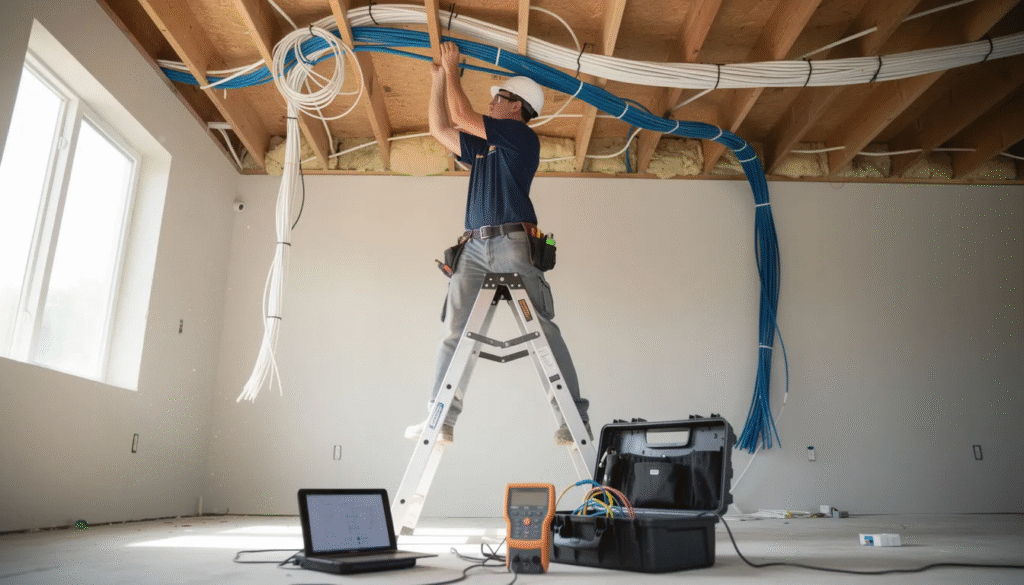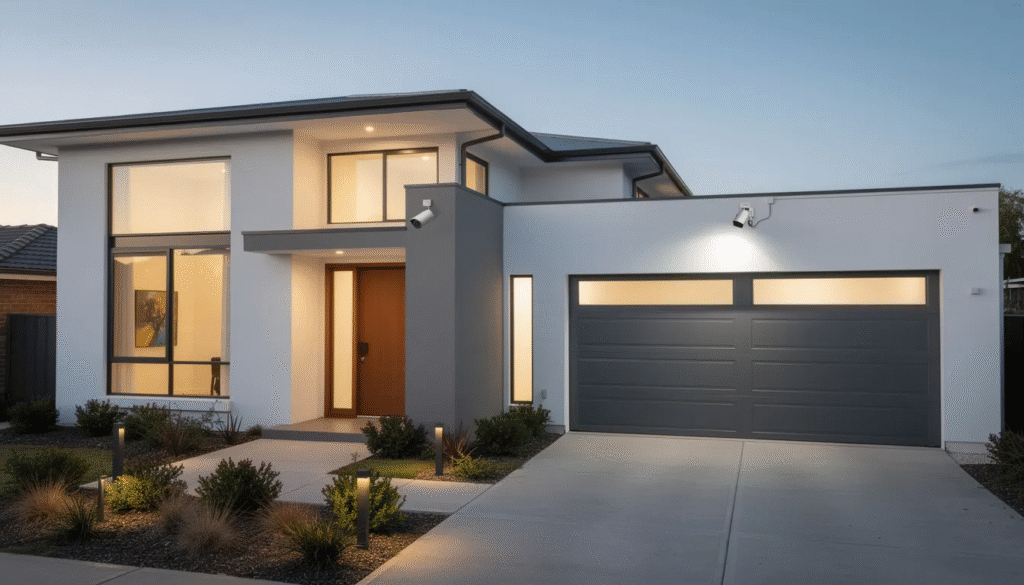

Welcome to your ultimate guide to the best outdoor Christmas lights for houses in Kapiti! Whether you’re looking to create a dazzling festive display, enhance your garden’s ambiance, or find durable lighting solutions suited to Kapiti’s unique coastal conditions, you’ve come to the right place. Get ready to explore expert tips, design ideas, and practical advice to make your home sparkle this holiday season and beyond.
Table of Contents
Key Takeaways
- Kapiti homeowners can create a standout Christmas display in 2026 by choosing coastal-proof, energy-efficient outdoor lights and having them professionally installed where needed. Start planning in October–November to avoid the December rush.
- Kapiti’s salt air, wind, and UV exposure mean you must choose IP65+ LED lights specifically rated for outdoor coastal use—cheap indoor fairy lights will fail before Christmas.
- October to late November 2026 is the ideal time to plan and install outdoor christmas lights in Kapiti so everything is ready before the peak season.
- Under New Zealand law, permanent or hard-wired outdoor lighting must be installed by a licensed electrician, but plug-in low-voltage Christmas sets can be DIY if used safely.
- With the right design, outdoor christmas lights can double as year-round garden and entertaining lighting, maximising value for Kapiti houses.
Why Outdoor Christmas Lights Matter For Kapiti Homes
There’s something special about Kapiti summer evenings—BBQs on the deck, family gatherings spilling into the garden, and the long twilight that stretches past 9 PM in December. Outdoor christmas lights bring that festive season magic to life, turning ordinary homes into beacons of celebration from Raumati to Waikanae.
Good lighting does more than just look great. It boosts street appeal, makes it easy for guests and couriers to find your house, and creates a welcoming appearance that neighbours and passersby appreciate. For people driving the Light Up Kapiti Christmas trail with their families, your display becomes part of a shared community tradition.
But here’s what many new homeowners don’t realise: Kapiti’s coastal climate is harsher on lights than inland areas. The salt-laden air from the Tasman Sea, winds that regularly hit 20-30 km/h (with gales up to 100 km/h), and strong UV exposure mean “best” lights here must deliver both festive impact and proven durability.
Many homeowners now combine temporary Christmas displays with semi-permanent outdoor lighting systems. This approach lets you add a festive touch in December while keeping elegant garden lighting running year-round—maximising your investment and bringing life to your outdoor room long after the decorations come down.
Types Of Outdoor Christmas Lights That Work Best In Kapiti
This section compares the most popular light types seen on Kapiti houses in 2024–2026 and explains how to use each style effectively.
LED Icicle Lights
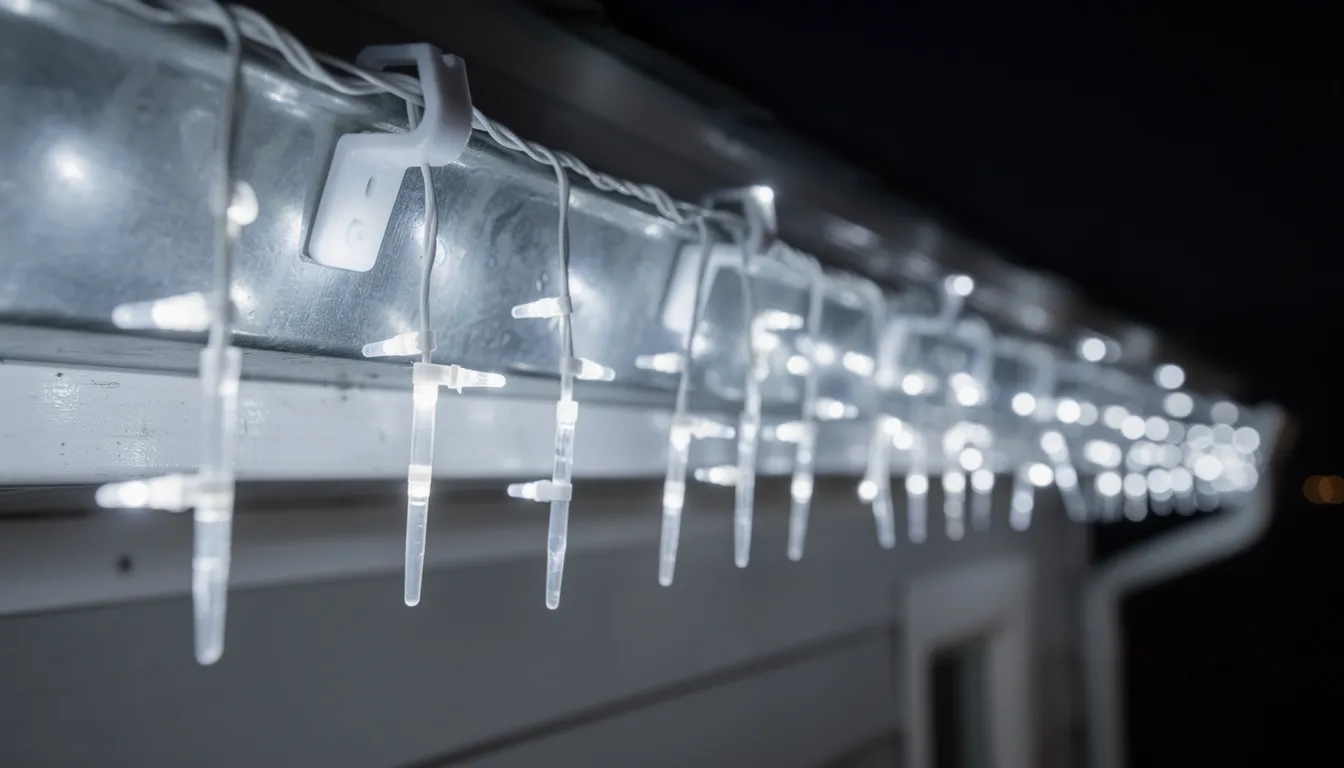
Icicle lights create a beautiful “snowfall” effect along gutters, verandas, and eaves. They’re a classic choice for good reason. For windy Paraparaumu and Paekākāriki streets, look for IP65+ LEDs with reinforced mounting clips that won’t sag or tangle.
Best for: Rooflines, covered patios, front porches
String Lights and Fairy Lights
Classic LED string lights remain the most versatile option for Kapiti gardens. Use them for:
- Wrapping around decks and porches
- Draping along front fences
- Illuminating large pōhutukawa or conifers
- Creating a canopy effect over outdoor entertaining areas
Connectable sets from quality NZ suppliers offer runs up to 200m using daisy-chained 24V systems, perfect for complete house outlines.
Net Lights
Net lights are a fast way to cover hedges and shrubs along Kapiti driveways. Instead of spending hours weaving individual string lights through foliage, you simply drape a net light mesh over the plant. Both solar and plug-in options are popular, though plug-in delivers more consistent brightness for street-facing displays.
Coverage example: 2x3m net lights at 100 LEDs/m² can transform a driveway hedge in minutes.
Rope and Strip Lights
Rope and strip lights excel at outlining roof lines, carports, and paths. The continuous glow creates clean, modern lines that suit newer Kapiti subdivisions. Choose 12V low-voltage rope for areas near high-traffic zones—it’s safer around children and pets.
Projector Lights and Motifs
For strong visual impact with minimal setup, projector lights and motifs (stars, Santa, kiwis, reindeer) can be mounted on walls or garages. These are great for renters or homeowners who want a wow factor without drilling into surfaces.
Smart RGB Lights
A growing trend in New Zealand is smart RGB and RGBIC lights that can run Christmas scenes in December and then be reprogrammed for New Year’s Eve fireworks displays, birthday parties, or general summer entertaining. With 16 million colour options and app control, these systems offer maximum flexibility across multiple events.
Choosing The Best Lights For Kapiti’s Coastal Conditions
This is the key section for avoiding lights that fail before Christmas due to Kapiti’s salt air and UV exposure. Getting this right means your lights will run reliably season after season.
Understanding IP Ratings
IP ratings tell you how well a product resists dust and water. For exposed roofs, fences, and gardens from Peka Peka to Otaihanga, you need:
| IP Rating | Protection Level | Kapiti Use Case |
|---|---|---|
| IP44 | Splash resistant | Sheltered verandas only |
| IP65 | Water jet resistant | Exposed gardens, fences |
| IP67 | Submersion resistant | Ground-level, coastal frontline |
Recommendation: IP65 is the minimum for most Kapiti outdoor displays. For beachside properties, consider IP67.
Corrosion-Resistant Materials
Specify materials that last longer near the coast:
- Marine-grade stainless steel fittings
- UV-stabilised PVC cable sheathing
- Tinned copper wiring (resists salt corrosion)
- Epoxy-encapsulated LED connections
Cheap AliExpress imports often use bare copper and thin PVC that degrades within one season under Kapiti’s 1,200+ annual sunshine hours mixed with salt spray.
LED Advantages
LED technology has transformed outdoor christmas lights:
- 75-85% less power consumption compared to incandescents
- Cooler operation (no fire risk on dry foliage)
- 50,000-hour lifespan (decades of use)
- No bulb replacements needed mid-season
For colour temperature, warm white 2700-3000K creates a cosy glow that attracts fewer insects than cool white—an important detail for summer evening entertaining.
Solar vs Plug-In
| Power Source | Pros | Cons | Best For |
|---|---|---|---|
| Solar | No wiring, free to run, easy install | Less reliable brightness, shorter run time | Remote garden spots, temporary displays |
| Plug-in with timer | Consistent brightness, long run time, reliable | Requires outdoor outlet access | Street-facing “wow factor” displays |
Safety Markings
Always check for New Zealand or AS/NZS safety markings. Products meeting AS/NZS 3760 electrical safety standards have been tested for local conditions. Ultra-cheap unbranded imports may not meet safety requirements and can create security risks around your home.
Design Ideas For Your Kapiti House Christmas Display
Here’s practical layout inspiration tailored to typical Kapiti house styles—single-level homes, beach houses, and newer subdivision properties.
Classic Front-of-House Design
This timeless approach works for most Kapiti homes:
- Icicle lights along gutters – Creates the iconic Christmas silhouette
- Lit pathway to front door – Use rope lights or stake lights
- Focal feature tree or shrub – Wrap your largest garden tree or place a lit artificial Christmas tree near the entrance
This layout is easy to install, visible from the street, and creates a welcoming entry for visitors.
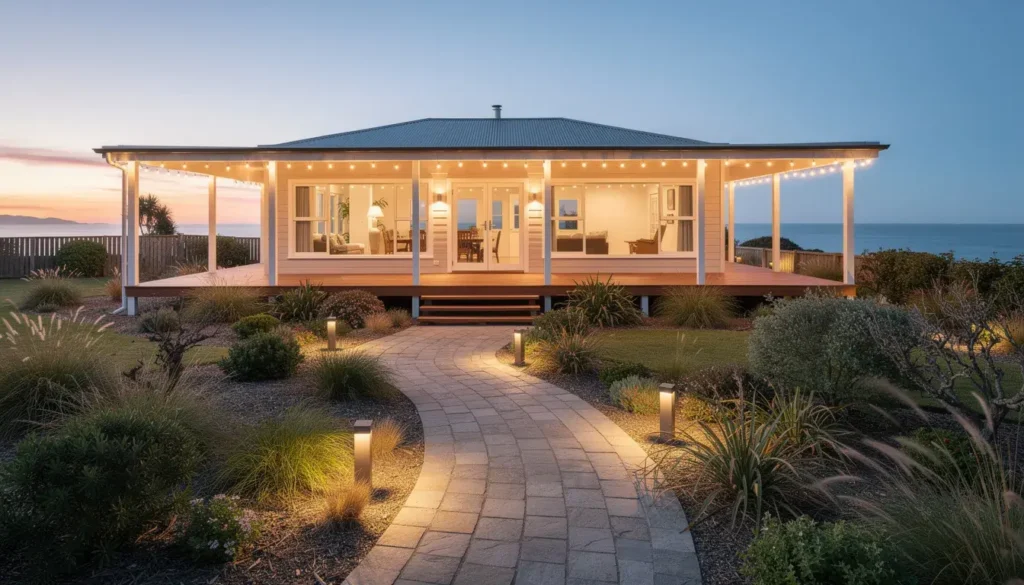
Coastal and Beachside Homes
For properties exposed to sea winds, it’s essential to engage a trusted local electrician to ensure electrical installations can withstand the coastal environment.
- Soft warm string lights along decks and balustrades (more wind-resistant than hanging strands)
- Net lights over duneside shrubs (stay in place during gusts)
- Subtle roof outlines using low-profile rope lights (less wind resistance than icicle drops)
The key is choosing designs that minimise loose hanging elements that can tangle or break in Kapiti’s regular winds.
Driveway and Fence Concepts
For newer developments in Paraparaumu and Waikanae:
- LED rope or festoon lines along fences and pillars
- Lit house numbers for easy navigation by visitors and delivery drivers
- Solar-powered stake lights lining the driveway
- Garlands with integrated LEDs wrapped around entrance posts
Colour Scheme Ideas
| Style | Colours | Effect |
|---|---|---|
| Elegant | Single warm white | Sophisticated, year-round appeal |
| Traditional | Red and green | Classic Christmas feel |
| Family Fun | Multi-colour | Playful, kid-friendly |
| Modern | Cool white with blue accents | Contemporary, striking |
Synchronised and Music-Responsive Lights
For enthusiasts wanting the complete show, synchronised displays use software like xLights to choreograph thousands of LEDs to music. These displays can achieve top ratings on platforms like Light Up Christmas NZ.
However, getting these right requires careful programming and often professional help. If you’re new to christmas lights displays, start simple and build complexity over time.
Safety, Legal Rules And Timing For Outdoor Christmas Lights
While many plug-in Christmas sets are perfect for DIY installation, any fixed outdoor wiring in Kapiti must follow New Zealand law.
Legal Requirements
Under the Electricity Act 1992 and AS/NZS 3000 Wiring Rules:
- Permanent outdoor wiring must be done by a licensed electrician
- New exterior power points require professional installation
- Dedicated lighting circuits need a Certificate of Compliance
- Low-voltage plug-in sets (under 50V) can be DIY
Safe DIY Practices
For plug-in sets you install yourself:
- Use outdoor-rated extension leads only (marked “outdoor use”)
- Connect to RCD-protected outlets (these trip if a fault occurs)
- Avoid daisy-chaining more than 3-4 sets into a single socket
- Check power draw doesn’t exceed 10A per circuit
- Keep plug connections off the ground and sheltered from direct rain
- Use UV-stabilised zip ties rated to 50kg pull strength for mounting
Ideal Timing for 2026
| Month | Activity |
|---|---|
| September | Research designs, browse arrivals at local shops |
| October | Buy lights, check existing stock, plan layout |
| Late October–Early November | Install lights (beat the December weather and tradie rush) |
| 1 December | Switch on! |
| Early January | Take down or transition to year-round settings |
Starting early gives you time to find quality product, test everything works, and book an electrician if needed before the pre-Christmas rush.
Council and Neighbour Considerations
Be a thoughtful neighbour:
- Avoid shining bright lights directly into neighbouring windows
- Respect quiet hours (typically 10 PM–7 AM) for any sound-synced displays
- Minimise sky glow to protect local wildlife
- Keep flashing patterns away from roads where they might distract drivers
Smart Controls, Energy Use And Running Costs
Even large displays on the Kapiti Coast can run affordably when designed with LEDs and smart controls. The difference between modern LEDs and old incandescents is dramatic.
Running Cost Examples
Here’s what a typical Kapiti display might cost to run:
| Display Size | Power Draw | Hours/Night | December Cost (30c/kWh) |
|---|---|---|---|
| Small (500 LEDs) | 50W | 4 hours | ~$2 |
| Medium (2,000 LEDs) | 200W | 4 hours | ~$8 |
| Large (5,000 LEDs) | 500W | 4 hours | ~$20 |
Compare this to incandescent displays that would cost 6-8x more for the same brightness.
Timer and Smart Control Benefits
Plug-in timers, smart plugs, and app-controlled systems let you:
- Turn lights on automatically at dusk (~9 PM in December)
- Switch off by 10-11 PM to save energy and respect neighbours
- Control displays remotely when you’re away
- Create schedules that run without daily intervention
Zone Control
Design your display in zones (roofline, garden, driveway, entry) so you can:
- Dim or switch off sections on quieter nights
- Run a simpler display when you’re not home
- Save power without losing the overall effect
Year-Round Value
Smart RGB sets can be reprogrammed for:
- New Year’s Eve celebrations
- Birthday parties
- General garden ambience
- Outdoor dining and entertaining
This spreads your investment across the whole year, making quality lights a great value proposition.
Professional Installation Vs DIY In Kapiti
The best approach often combines DIY decorating with professional wiring. Here’s how to decide what’s right for your home.
When DIY Works Well
DIY installation is appropriate for:
- Small single-storey homes
- Low-risk areas like porches and shrubs
- Pre-wired low-voltage systems with clear instructions
- Temporary plug-in displays
- Ground-level garden lighting
Most Kapiti homeowners can safely install 200-500m of plug-in LED lights themselves with basic tools and a ladder.
When to Call an Electrician
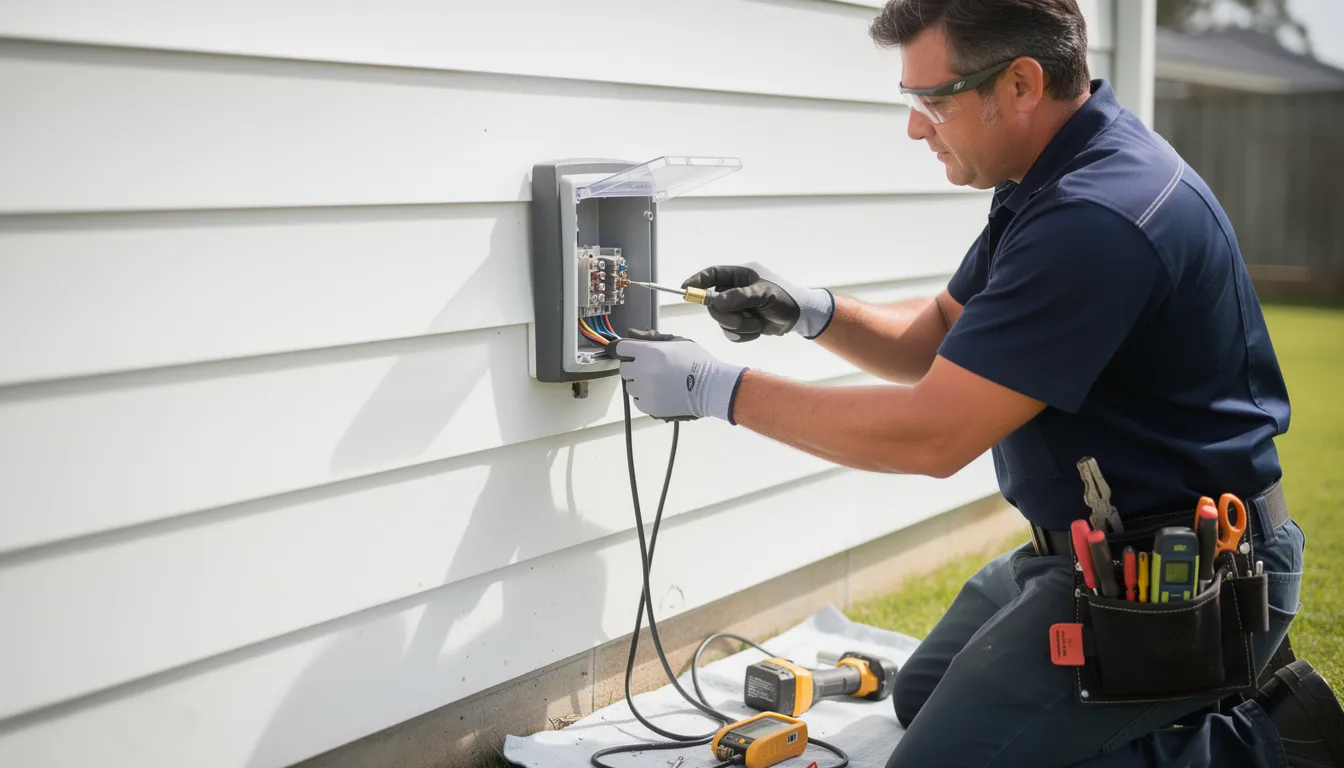
Contact a licensed Kapiti electrician for:
- Two-storey rooflines requiring scaffolding or harness work
- New outdoor power outlets
- Permanent festoon lighting installations
- Integrating with existing garden lighting systems
- Any hard-wired installations
Benefits of Local Kapiti Electricians
Local professionals understand:
- Salt corrosion issues specific to coastal properties
- Wind loading requirements for secure mounting
- Compliance paperwork including Certificates of Compliance
- Which product brands perform best in Kapiti conditions
The Balanced Approach
Many homeowners find the perfect solution is:
- Have an electrician install a few strategically placed outdoor outlets
- DIY the decorative lights each year using those outlets
- Call professionals back for any permanent additions or upgrades
This gives you safety, flexibility, and the ability to change your display each season while keeping your mind at ease about electrical compliance.
Frequently Asked Questions
How energy-efficient are LED outdoor lights compared to halogen?
LED outdoor lights use 75–85% less electricity than traditional halogen systems, making them significantly more cost-effective and environmentally friendly.
How long do LED outdoor lights last?
Quality LED outdoor lights typically last between 15,000 and 50,000 hours, depending on design and usage, which greatly reduces replacement and maintenance costs.
Are LED lights suitable for coastal environments like the Kāpiti Coast?
Yes. Coastal areas like Kāpiti require marine-grade materials and high IP ratings to resist corrosion caused by salt air and moisture.
What IP rating is best for outdoor lighting in coastal New Zealand?
For coastal environments, choose outdoor lights with an IP65, IP66, or IP67 rating to protect against rain, wind, and corrosive salt air.
Why are LED lights better for outdoor use than traditional bulbs?
LED lights are solid-state, meaning they have no fragile filaments. This makes them more resistant to vibration, impact damage, and harsh weather conditions.
Can outdoor lighting increase property value?
Yes. Well-designed outdoor lighting can increase property value by 15–20% while also improving security, safety, and visual appeal.
When is the best time to install outdoor lighting?
Installing outdoor lighting in October ensures your space is ready for summer entertaining and avoids the pre-Christmas installation rush.
What are the benefits of smart outdoor lighting systems?
Smart outdoor lighting allows remote control, scheduling, and dimming, improving convenience, security, and overall energy efficiency.
What are the best outdoor Christmas lights for the Kāpiti Coast?
The best-rated outdoor Christmas lights for Kāpiti are commercial-grade LED lights with IP65 or higher waterproof ratings, designed for harsh coastal conditions.
Are LED Christmas lights weatherproof in New Zealand conditions?
Yes. Outdoor Christmas lights designed for New Zealand are built to handle rain, sun, and wind, provided they are IP-rated and intended for outdoor use.
How long do quality LED fairy lights last?
High-quality LED fairy lights are built to last 5 years or more, even with repeated seasonal use.
What are Pro Series LED Fairy Lights?
Pro Series LED Fairy Lights feature heavy-duty rubber cables, IP65 waterproof ratings, and can connect up to 150 metres, making them ideal for large displays.
What makes commercial-grade LED fairy lights different?
Commercial-grade LED fairy lights offer UV resistance, heavy-duty rubber cabling, and enhanced durability for harsh weather and long-term outdoor use.
When is the best time to view Christmas lights in Kāpiti?
Christmas lights in Kāpiti are best viewed from early December through to Christmas Eve.
How do people find Christmas light displays in Kāpiti?
Local Christmas light displays are often shared through community websites, Facebook groups, and social media, with residents visiting well-known local addresses.
Can LED Christmas lights be used indoors as well?
Yes. Indoor Christmas lights add warmth and sparkle to hallways, windows, ceilings, shelves, and Christmas trees.
What types of Christmas tree lights are available?
Christmas tree lights are available in classic warm white or colour-changing modes, allowing for both traditional and playful displays.
Conclusion
Choosing the best outdoor Christmas lights for your house in Kapiti means balancing festive style with durability and safety. By selecting high-quality, IP65+ rated LED lights designed for coastal conditions, you ensure your display will shine brightly season after season despite Kapiti’s salt air, wind, and sun exposure. Combining professional installation for permanent wiring with DIY-friendly plug-in options gives you flexibility and peace of mind. Planning early—ideally in October or November—helps you avoid the holiday rush and enjoy a stunning, energy-efficient display ready for the summer festivities. With the right lights and thoughtful design, your Kapiti home can become a beloved part of the community’s Christmas tradition, bringing joy to your family and neighbours alike all year round.