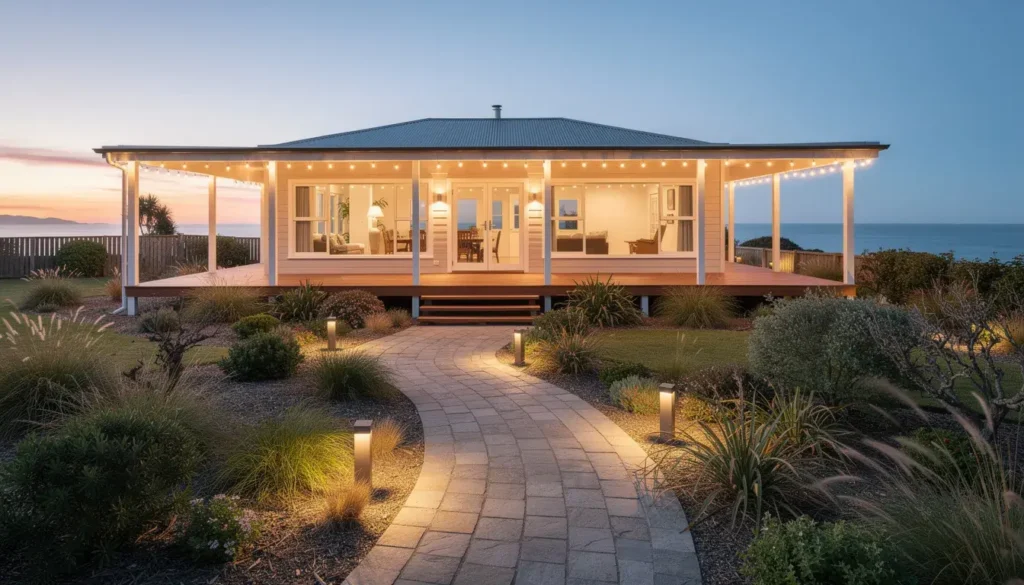

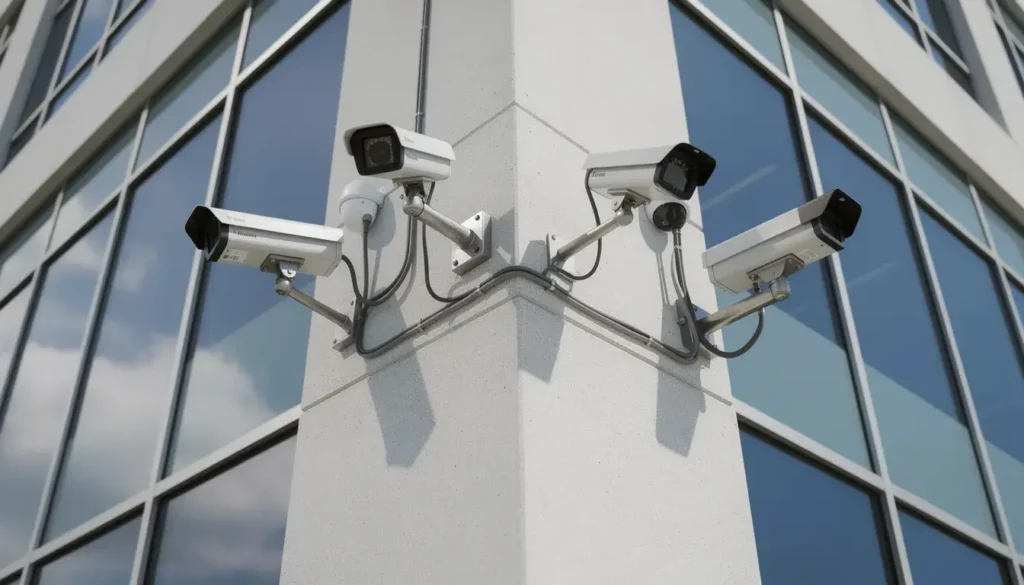
Welcome! Whether you’re looking to enhance your home or business security in Kapiti, you’ve come to the right place. Our guide covers everything you need to know about CCTV camera types, installation options, and tailored solutions to keep your property safe. Explore expert advice and practical tips designed specifically for the unique needs of Kapiti properties. Let’s help you find the right technology and setup for added peace of mind and effective surveillance.
Table of Contents
Key Takeaways
- Kapiti properties from Paekākāriki to Ōtaki benefit from different camera types including dome, bullet, PTZ, wireless, and weather-resistant models—each suited to specific locations and security needs.
- The coastal climate along the Kapiti Coast (salt air, wind, and heavy rain) makes IP66+ weatherproof and IK10 vandal-resistant cameras essential for any outdoor installation.
- Wired systems with a network video recorder remain the most reliable choice for long-term coverage, while wireless cameras suit smaller homes, rentals, and temporary setups.
- Matching the right camera type to your property layout—whether a Waikanae beachfront home, Paraparaumu retail store, or Ōtaki industrial site—dramatically improves footage quality and coverage.
- A professional site visit and initial assessment helps Kapiti homeowners and businesses get tailored solutions based on their exact entry points, risks, and future expansion plans.
CCTV Camera Types in Kapiti: Quick Overview
When people search for “CCTV camera types Kapiti,” they’re usually asking about two things: the physical design of cameras (dome, bullet, PTZ, and so on) and how those cameras connect to recording devices (wired versus wireless). Understanding both helps you make smarter decisions about protecting your property.
It’s worth noting that while locals often still say “CCTV” (closed circuit television), most modern systems are actually network-based video surveillance with remote viewing through a mobile app. The technology has moved on, but the terminology has stuck.
Here’s what this guide covers:
| Camera Type | Best For | Key Feature |
|---|---|---|
| Dome | Indoor retail, offices, modern homes | Discreet, hard to tell which way it’s pointing |
| Bullet | Driveways, fences, perimeters | Visible deterrent, long-range viewing |
| PTZ | Large yards, warehouses, schools | Remote pan, tilt, and zoom control |
| Wireless | Rentals, sheds, temporary sites | Quick installation, flexible placement |
| Covert | Specific investigations only | Hidden placement (legal restrictions apply) |
| Audio-capable | Gate intercoms, delivery bays | Two-way communication |
| Weatherproof | Coastal and exposed locations | IP66+ rating for salt, wind, rain |
The right camera type depends heavily on your specific situation. A Waikanae beachfront home faces different challenges than a Paraparaumu retail store or an industrial site in Ōtaki. Later sections also compare wired and wireless systems and explain why professional installation matters in Kapiti’s demanding coastal conditions.
Common CCTV Camera Types Used Around Kapiti
This section provides a practical, Kapiti-focused rundown of the camera types most often installed on local homes, shops, and small businesses. Rather than abstract technical specifications, the focus here is on where each camera works best, what features matter, and any considerations specific to our coastal environment.
Each subsection describes real-world use cases you’ll recognise—whether that’s protecting a driveway in Paraparaumu Beach or monitoring a loading bay on Kapiti Road.
Dome Cameras
Dome cameras sit inside a compact housing with a smoked or clear dome cover. You’ll see them in Kapiti supermarkets, cafés, medical centres, and modern homes where aesthetics matter as much as security.
Why they work well:
- The dome design makes it difficult to see which direction the lens is pointing, creating uncertainty for anyone considering misconduct
- Their low-profile appearance suits customer-facing environments without feeling intimidating
- Available in both fixed-lens and varifocal versions for flexible coverage
Typical Kapiti placements:
- Indoor retail areas in Coastlands Shopping Town
- Office reception lobbies in Paraparaumu
- Covered porches and entryways in Waikanae homes
- Apartment building entrances and shared stairwells
For low-mounted locations where someone could reach the camera, look for vandal-resistant domes with IK10 ratings. These can handle attempted tampering without losing functionality.
Bullet Cameras
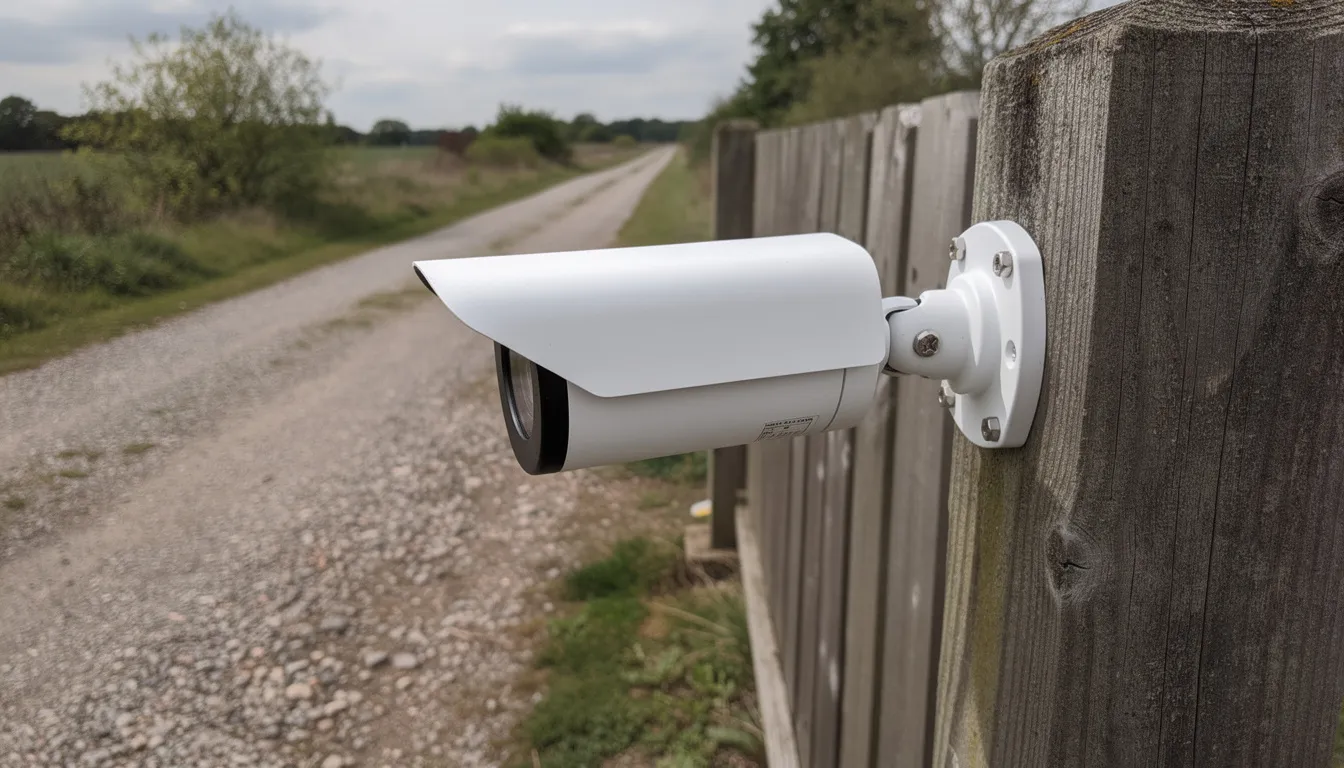
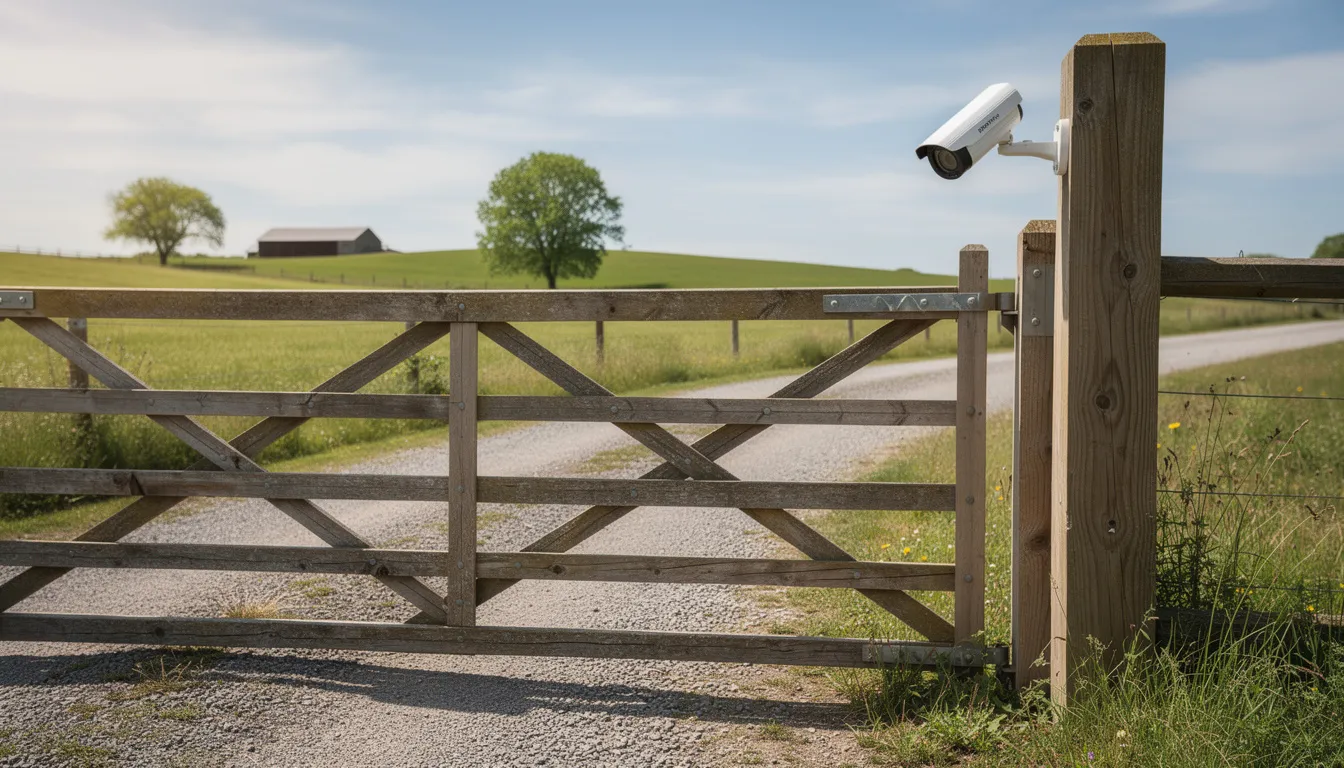
Bullet cameras have a distinctive tube shape that’s impossible to miss. They’re designed to be seen, sending a clear message that the area is under surveillance.
Why they’re popular for perimeters:
- Longer focal lengths for monitoring front boundaries and driveways
- Easy to aim at specific areas like gates, entrances, and car parks
- Built-in infrared or white-light LEDs for night vision
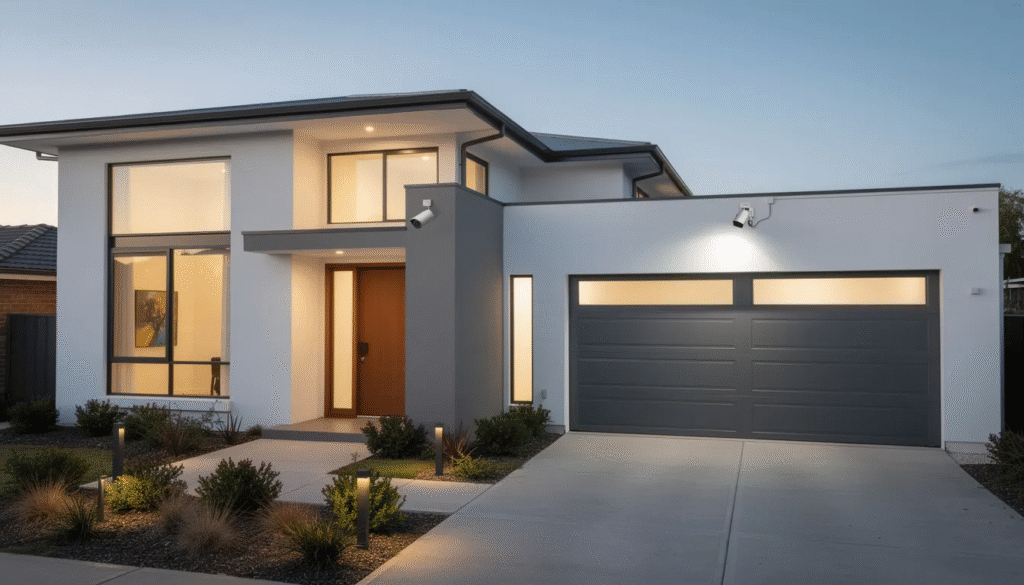
For Kapiti’s coastal suburbs—Peka Peka, Raumati Beach, Paraparaumu Beach—bullet cameras need IP66 or higher weather ratings plus anti-corrosion housings. Salt air accelerates wear on standard equipment.
Best mounting positions:
- Under eaves on gable ends
- On poles covering driveway approaches to lifestyle properties
- Exterior walls facing roller doors and storage areas
Bullet cameras capture clear footage even on dark winter evenings when many incidents occur. They’re the workhorse of outdoor security cameras across the Kapiti Coast.
PTZ (Pan-Tilt-Zoom) Cameras
PTZ cameras can be remotely controlled to move left and right, tilt up and down, and zoom in on areas of interest. They’re ideal for large Kapiti sites like warehouses, construction projects, car yards, and school grounds.
Key capabilities:
- Programmed patrol routes that automatically scan gates, storage yards, and loading zones
- Live monitoring where business owners or security staff can follow suspicious activity in real time through an app or monitoring station
- Optical zoom that captures useful detail from a distance
PTZ units cost more than fixed cameras and are usually installed alongside a base layer of dome or bullet cameras. They complement rather than replace standard coverage.
For Kapiti properties, choose PTZ cameras with strong low-light performance and robust construction to handle wind gusts and occasional storms. A camera that can’t hold its position in a nor’wester isn’t worth the investment.
Wireless and Wi-Fi Cameras
Wireless cameras transmit footage over Wi-Fi rather than physical cables. They’re powered by mains electricity or batteries and suit smaller homes, rentals, and townhouses across Kapiti.
Where they make sense:
- Apartments where running new cables isn’t allowed
- Rental properties where permanent installation isn’t appropriate
- Temporary monitoring of sheds, sleepouts, or garages
- Secondary cameras adding coverage without major cabling work
Important limitations to consider:
| Factor | Impact |
|---|---|
| Wi-Fi coverage | Large homes with thick walls may have dead spots |
| Router quality | Budget routers can drop connections under load |
| Interference | Neighbouring networks can affect reliability |
| Distance | Signal weakens significantly beyond 20-30 metres |
For critical views like main driveways or shop fronts, wired connections are usually preferred. Wireless cameras work well as secondary coverage or for temporary projects.
Many wireless cameras integrate with mobile apps, allowing Kapiti residents to check on their property while commuting to Wellington or travelling overseas.
Covert or Discreet Cameras
Covert cameras are designed to be hidden or extremely unobtrusive. They’re used in very specific situations—typically workplace investigations where stock losses or other problems have been identified.
Critical legal considerations:
In New Zealand, privacy and employment law strictly limit where and why covert surveillance can be used. Installing hidden cameras without proper justification can create serious legal liability.
Legitimate use cases might include:
- Short-term monitoring in a retail storeroom experiencing unexplained stock losses
- Cash handling areas where theft is suspected (with legal guidance)
For most homes and standard businesses in Kapiti, visible cameras are the better choice. They deter intruders before incidents happen rather than just recording them afterward. Covert cameras should only be deployed with documented policies and legal advice.
Cameras with Audio (and Legal Considerations)
Some security cameras include microphones or two-way audio, allowing owners to listen or speak through the camera via a phone app.
The legal reality in New Zealand:
Recording audio in workplaces, public-facing areas, or shared spaces is heavily restricted. Unlike video, audio recording captures private conversations and falls under stricter privacy rules.
If you enable audio recording:
- There must be strong justification for doing so
- Clear signage must warn people they may be recorded
- Employment law creates additional requirements in workplaces
When audio makes sense:
- Access intercoms at gates where you want to speak with visitors
- After-hours delivery bays where communication aids safety
- Video doorbells where two-way conversation is expected
For most Kapiti installations, the recommendation is to keep audio recording off by default. Seek specialist advice before enabling it.
Weatherproof and Vandal-Resistant Cameras
Kapiti’s coastal climate demands more from outdoor cameras than many inland areas. Salt-laden air accelerates corrosion, strong wind gusts can shift mounting positions, and horizontal rain finds every gap in inadequate housings.
Understanding IP ratings:
| Rating | Meaning |
|---|---|
| IP65 | Protected against water jets |
| IP66 | Protected against powerful water jets |
| IP67 | Protected against temporary immersion |
| IP68 | Protected against continuous immersion |
For exposed outdoor cameras on fences, poles, and exterior walls, IP66 is the minimum recommended rating. Properties near the beach in Raumati or Paraparaumu should consider cameras with stainless-steel or specially coated housings.
Vandal resistance matters for:
- Low-mounted cameras at shop fronts
- School entrances and public-facing offices
- Ground-level positions in apartment complexes
IK10-rated dome cameras can withstand significant impact without damage. Position cameras where they’re hard to reach without a ladder while still maintaining clear visibility of doors, gates, and car parks.
Wired vs Wireless CCTV Systems for Kapiti Properties
Beyond camera shapes, the way cameras connect to recorders and networks significantly affects reliability, image quality, and long-term maintenance. This distinction matters when planning any security camera installation.
Kapiti’s mix of older weatherboard bungalows, new subdivisions, and lifestyle blocks means the right choice often depends on building age, access for cabling, and renovation plans.
What Is a Wired CCTV System?
Wired systems connect cameras to a central recording device using physical cables. Modern installations typically use Ethernet cabling with Power over Ethernet (PoE), delivering both data and power through a single cable.
Advantages of wired systems:
| Benefit | Why It Matters |
|---|---|
| Stable signal | No dropouts from Wi-Fi interference |
| Better reliability | Performs consistently in bad weather |
| More secure | Harder to jam or intercept than wireless |
| Future-proof | Easy to upgrade cameras without rewiring |
Wired systems suit Kapiti homes undergoing renovation where cables can be run through walls, as well as commercial properties like workshops, clinics, and retail stores where reliability is essential.
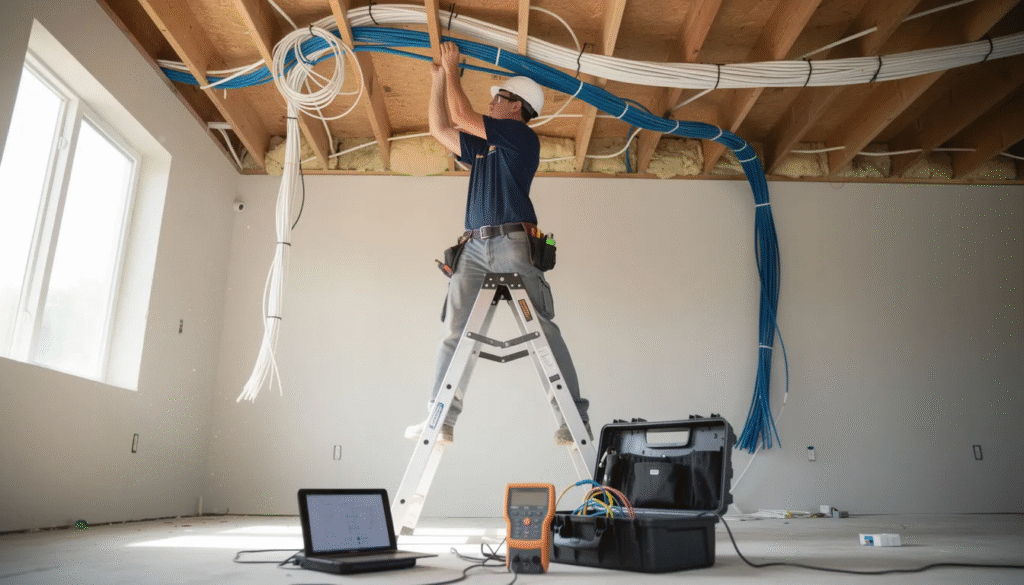
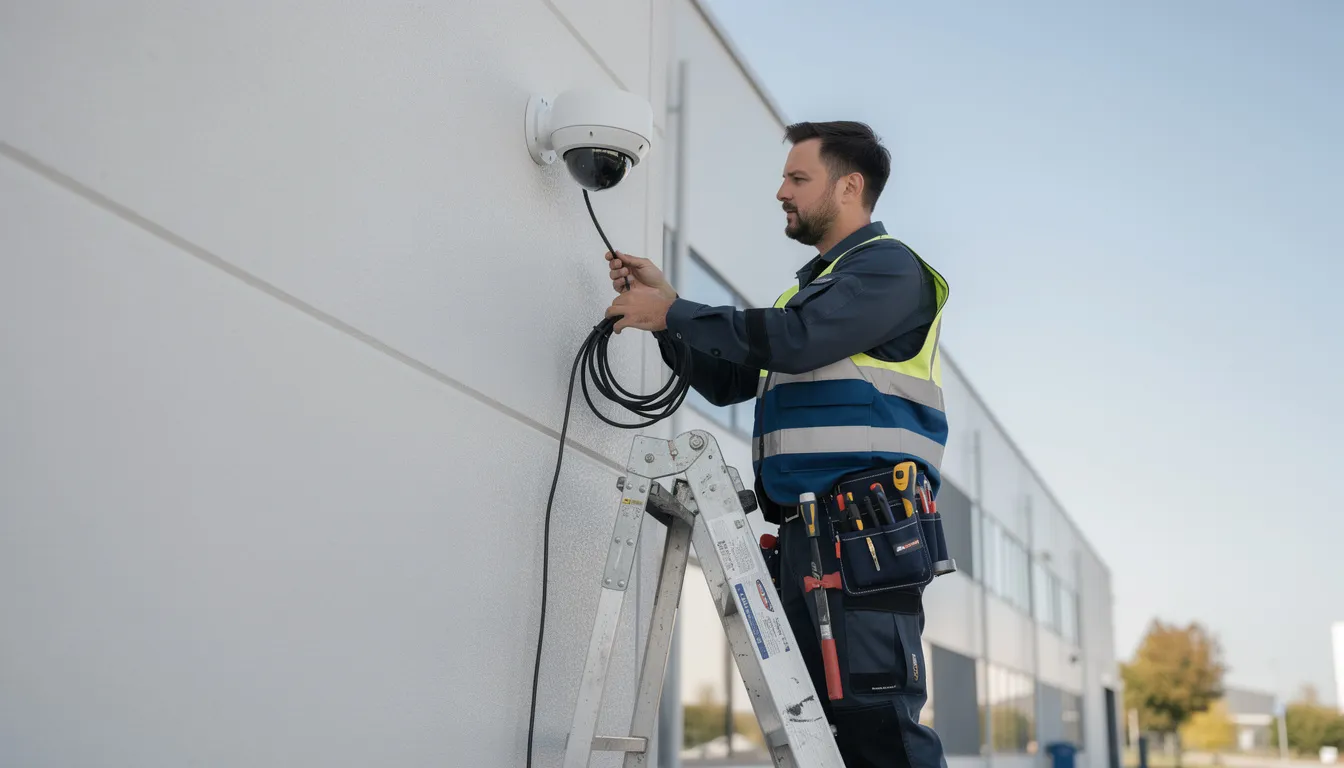
Professional installation ensures neat cable runs using structured cabling practices, waterproof junction boxes for outdoor connections, and correct PoE power budgeting so all cameras receive adequate power.
What Is a Wireless CCTV System?
Wireless systems transmit footage over Wi-Fi or private radio links. Some cameras are battery-powered, while others still need mains power at each location.
When wireless works well:
- Rented homes where permanent modifications aren’t allowed
- Minor extensions or additions to existing wired systems
- Garages and sheds that are difficult to cable
- Rural outbuildings where trenching would be expensive
Kapiti’s building materials can affect signal quality. Concrete block, steel framing, and certain insulation types reduce Wi-Fi penetration. Properties with multiple levels or thick walls may need signal boosters or mesh networks.
Busy home networks, neighbouring Wi-Fi, and distance from routers can cause dropouts. For this reason, wireless cameras are generally best as secondary coverage rather than primary protection for high-risk areas.
Which System Suits Your Kapiti Property?
The right choice depends on your property type, budget, and long-term plans.
General guidance:
| Property Type | Recommended Approach |
|---|---|
| Small townhouse in Paraparaumu | Wired if renovating, wireless for minimal disruption |
| Large Waikanae family home | Wired backbone with possible wireless additions |
| Rural lifestyle block in Ōtaki | Wired around main dwelling, wireless for remote sheds |
| Commercial premises | Wired system with professional installation |
Consider future upgrades when planning. Adding cameras for new sheds, carports, or business expansions along Kapiti Road or Te Moana Road is much easier with wired infrastructure in place.
A blended approach often works best: wired cameras for critical coverage points with carefully chosen wireless units where running cable is impractical.
Before committing, get a site assessment to map Wi-Fi coverage, identify cabling routes, and verify camera viewing angles. This avoids expensive corrections later.
Matching Camera Types to Kapiti Use Cases
Taking the camera types already discussed and applying them to typical Kapiti scenarios helps clarify which combinations work best. Different properties have different security concerns, and the right system design addresses those specific risks.
Combining camera types—bullets for perimeters, domes for interiors, PTZ for wide-area oversight—usually gives better coverage than using a single style throughout.
Homes and Apartments
Residential security needs typically focus on driveways, front and back doors, garages, and outdoor entertainment areas. For Kapiti families and commuters, remote access to live feeds provides peace of mind during the workday.
Recommended camera placement:
| Location | Camera Type | Purpose |
|---|---|---|
| Driveway approach | Bullet | Visible deterrent, vehicle identification |
| Front door | Dome or video doorbell | Visitor identification, parcel monitoring |
| Back door | Dome | Secondary entry coverage |
| Garage | Indoor dome or bullet | Vehicle and storage protection |
| Outdoor living area | Weatherproof dome | Monitor activity, situational awareness |
For apartments and townhouses, smaller dome cameras or vandal-resistant units at shared entrances and car parks usually provide adequate coverage. Avoid placing cameras where they capture neighbouring properties without consent.
The ability to check on pets, deliveries, or storm damage while away from home is increasingly important to Kapiti residents.
Retail Shops, Cafés, and Offices
Commercial spaces in Kapiti need coverage of tills, entry doors, customer areas, and stock rooms. The goal is deterrence combined with clear recorded footage if incidents occur.
Indoor areas: Dome cameras maintain clean aesthetics and a welcoming environment while still deterring theft and allowing you to monitor activity at queues and service counters.
External areas: Visible bullet cameras at shopfronts, rear doors, loading bays, and car parks make surveillance obvious. Good signage reinforces the message.
High-priority zones: At least one high-quality camera should cover cash handling areas and safes. Consistent lighting in these zones ensures footage is always clear enough to be useful.
Vandal-resistant domes are important for any camera mounted where customers or passersby could reach it.
Workshops, Industrial Units, and Yards
Trades workshops, storage yards, and light industrial units in Paraparaumu and Ōtaki have distinct security needs: perimeter monitoring, tracking vehicle movements, and protecting expensive equipment.
Effective camera placement:
- Bullet cameras on external walls covering gates and laneways
- Pole-mounted cameras overlooking roller doors and fuel storage
- PTZ cameras for wide yards and loading zones
- Cameras covering tool cages and high-value equipment
Choose cameras with robust weatherproofing and strong housings for harsh environments. Night vision quality matters—many industrial thefts happen after dark.
Integrating cameras with alarm systems provides video verification when after-hours activations occur, helping distinguish between genuine threats and false alarms.
Temporary Sites and Rural Blocks
Building sites, seasonal operations, and remote sheds around Kapiti often need flexible surveillance solutions that can be deployed quickly and relocated as needed.
Options for sites without permanent power or internet:
- Solar-powered cameras with 4G connectivity
- Battery-operated units with cellular backup
- Trailer-mounted systems that move with the project
Bullet or PTZ cameras on portable poles can be repositioned as site layouts change during construction. Alerts and video clips sent to phones keep owners informed even when they’re not on site.
For lifestyle blocks, a common approach combines wired cameras around the main dwelling with wireless units monitoring remote gateways, sheds, and paddock entrances.
Why Professional CCTV Camera Selection and Installation Matters in Kapiti
Even the best camera performs poorly if it’s placed incorrectly, not weatherproofed properly, or installed without considering New Zealand privacy law.
Kapiti’s salty coastal air, strong winds, and mix of old and new buildings mean off-the-shelf DIY kits often fail prematurely or leave critical blind spots. What works in an Auckland subdivision may struggle in a Raumati Beach property.
What professional installation provides:
| Element | Benefit |
|---|---|
| Site visit and initial assessment | Identifies best locations for maximum coverage |
| System design | Matches camera types to specific security needs |
| Correct weatherproofing | Prevents premature failure in coastal conditions |
| Neat cable runs | Professional appearance, reliable connections |
| Privacy compliance | Cameras positioned to avoid capturing neighbours |
| Signage advice | Meets legal requirements for visible notification |
| Ongoing support | CCTV maintenance and system updates |
Local security camera installation services understand Kapiti’s specific challenges. They can provide tailored solutions that balance coverage, cost effectiveness, and aesthetics while ensuring compliance with privacy requirements.
A proper assessment considers entry points, vehicle routes, high-value areas, and potential blind spots. This systematic approach delivers far better results than simply mounting cameras on every corner.
For homeowners and businesses across the Kapiti Coast, investing in professional installation pays dividends through reliable footage, reduced maintenance issues, and systems that actually work when you need them.
CCTV Camera Types and Systems in Kapiti – Frequently Asked Questions (FAQS)
What are the best professional CCTV brands?
Dahua and Hikvision are widely recognised as market leaders in professional-grade CCTV systems.
Dahua’s WizSense series is particularly known for its advanced AI-powered detection, improving accuracy and reducing false alerts.
How does AI improve modern CCTV systems?
Modern CCTV systems use AI analytics to accurately distinguish between humans, vehicles, and animals.
This dramatically reduces false alarms, making systems more reliable for homes, businesses, and high-security sites.
Is night vision important for CCTV cameras?
Yes. Night vision technology, especially infrared (IR), is essential for 24/7 surveillance.
High-quality IR ensures clear footage in low-light or total darkness, which is critical for security monitoring.
What CCTV camera is best for wide-area coverage?
The Reolink Duo 2 PoE offers a 180° panoramic field of view, making it ideal for large outdoor areas such as driveways, car parks, and beachfront properties.
Why choose a local CCTV installation service?
Local CCTV installers provide tailored security solutions based on on-site property assessments.
They ensure the system matches your specific security needs, layout, and local compliance requirements.
Is ongoing CCTV maintenance important?
Yes. Ongoing support and maintenance are critical for ensuring cameras, recorders, and software continue to operate reliably and securely over time.
Why is professional CCTV installation recommended?
Professional installation ensures:
- Compliance with local regulations
- Correct camera placement
- Optimal system performance
This reduces blind spots and long-term technical issues.
What are turret cameras and why are they popular in New Zealand?
Turret cameras minimise infrared bounce-back, providing clearer night footage.
They are especially popular in New Zealand due to their durability and superior low-light performance.
What are bullet CCTV cameras used for?
Bullet cameras are cylindrical cameras designed primarily for outdoor use.
They offer long-range visibility and a clearly defined field of view, making them ideal for perimeter security.
Are wired CCTV systems more reliable than wireless?
Yes. Wired CCTV systems, especially those using Power over Ethernet (PoE), are known for:
- Higher video quality
- Greater stability
- Minimal interference
They are commonly installed during new builds or renovations.
What are the benefits of wireless CCTV systems?
Wireless CCTV systems are:
- Easy to install
- Ideal for retrofitting
- Less invasive than wired systems
Cameras typically connect to a Network Video Recorder (NVR) over Wi-Fi, reducing cabling requirements.
Why are wireless CCTV systems popular in Wellington?
In Wellington, wireless systems are increasingly popular, especially in older homes where installing cables can be difficult or disruptive.
What are the downsides of wireless CCTV cameras?
While convenient and app-controlled, wireless cameras can be affected by:
- Battery limitations
- Wi-Fi signal instability
This can impact reliability in high-security environments.
How can I future-proof my CCTV system?
Future-proofing your CCTV setup means choosing:
- Scalable systems
- AI-capable recorders
- High-resolution cameras
This prevents costly system overhauls as your security needs evolve.
Are solar-powered CCTV cameras suitable for building sites?
Yes. Secure Time offers solar-powered, 4G-monitored camera rentals specifically designed for high-security construction sites.
These systems operate independently of mains power and internet connections.
Is high-definition CCTV worth it?
Absolutely. HD and 4K CCTV cameras provide clear, identifiable footage, which is essential for incident review, evidence collection, and facial recognition.
What is PoE and why is it used in CCTV systems?
Power over Ethernet (PoE) allows cameras to receive power and data through a single cable, offering:
- Cleaner installations
- Greater reliability
- Higher video quality
It’s the preferred choice for permanent CCTV installations.
Conclusion
Choosing the right CCTV camera types in Kapiti is essential for securing your home or business effectively. Whether you opt for dome, bullet, PTZ, or wireless cameras, each type offers unique advantages tailored to specific environments and security needs. The coastal climate in Kapiti demands weatherproof and vandal-resistant equipment, while the choice between wired and wireless systems depends on your property layout, budget, and future plans.
Professional surveillance camera installation ensures optimal camera placement, compliance with local regulations, and reliable system performance. Local experts provide comprehensive services, including initial assessments, ongoing support, and maintenance tips to keep your system functioning smoothly.
Investing in a well-designed CCTV system with features like motion detection, night vision, and remote access offers added security and peace of mind. By understanding your specific security concerns and working with trusted local providers, you can protect your Kapiti property with a cost-effective, easy-to-access, and future-proof surveillance solution.